Mate, Those Cracks Aren’t “Character” — They’re Your Brickwork Screaming for Help

Author Archives: tuip_18

Mate, Those Cracks Aren’t “Character” — They’re Your Brickwork Screaming for Help

Mate, Those Cracks Aren't "Character" — They're Your Brickwork Screaming for Help

By the team at Tuckpointing & Rendering Sydney | Masonry Repair & Restoration Specialists

There’s something almost romantic about Sydney’s older homes — the Federation-era terraces in Glebe, the sandstone cottages of Hunters Hill, the Victorian red-brick beauties of Newtown. They’ve got soul, history, and stories baked right into their walls.

But here’s the thing: those walls are also quietly falling apart, and most homeowners either don’t notice or choose to believe those hairline cracks are just “settling” or “character.” Spoiler — they’re not. They’re your masonry screaming at you in the only language it knows.

If you’ve landed here, chances are you’ve finally decided to listen. Good on ya. Let’s break down everything you need to know about masonry repair in Sydney — what it actually is, why it matters more here than almost anywhere else in Australia, and how professional building restoration can transform a crumbling eyesore back into something your neighbours envy.

What Is Masonry Repair — And Why Is Sydney So Hard on Brickwork?

Masonry repair is the broad term covering anything from fixing cracked mortar joints and replacing damaged bricks to full-scale heritage building restoration and structural rehabilitation. It’s not just cosmetic — it’s the difference between a building that lasts another century and one that quietly deteriorates until a costly emergency forces your hand.

Sydney is, frankly, brutal on masonry. The city’s climate swings between scorching summer heat and wet winters. Salt-laden air rolls in from the harbour and coastline, accelerating corrosion in mortar joints and wall ties. Old Victorian and Federation homes were often built with soft lime mortars that, while flexible and breathable by design, have a lifespan — and for many Sydney properties, that lifespan expired decades ago.

Add Sydney’s expanding urban soil movements, the occasional heavy downpour, and the fact that many inner-city properties sit on narrow blocks with minimal drainage, and you’ve got the perfect recipe for masonry damage.

The result? Rising damp. Efflorescence. Cracked pointing. Spalling bricks. Bulging walls. And a property that’s slowly losing both structural integrity and market value.

Warning Signs You Should NEVER Ignore

Let’s get specific. Sydney homeowners tend to chalk these up to “old house stuff,” but each of these is a flag that your masonry needs professional attention:

  1. Crumbling or soft mortar between bricks Run your finger along the mortar joints. If mortar crumbles away or feels sandy and loose, it’s compromised. This is the most common sign that brick masonry restoration is overdue. Deteriorated mortar allows water infiltration, which is where everything starts to get expensive.
  2. White powdery stains on brick faces (efflorescence) That white chalky residue is salt being drawn out of the masonry by moisture. It signals water is moving through your walls — and where water goes, structural damage follows.
  3. Stair-step cracking through mortar joints A diagonal crack running in a stair-step pattern through brickwork usually indicates differential settlement or foundation movement. This is beyond a simple patch job and needs a thorough inspection before masonry renovation services can begin.
  4. Damp patches on internal walls Moisture on internal plaster — especially near the base of walls or around windows — often traces back to failed pointing or deteriorated mortar on the exterior face.
  5. Spalling or flaking brick faces When bricks literally flake or chip away on the surface, it’s called spalling. Moisture has penetrated the brick and the freeze-thaw or heat-cool cycle has blown the face off. If this isn’t addressed, you’ll be replacing entire sections of brickwork rather than just repointing.
  6. Bulging or bowing walls One of the most serious signs. This indicates wall tie failure, significant structural movement, or cavity wall deterioration. Do not ignore this one — it’s a safety issue, full stop.

If you’re ticking two or more of these boxes, it’s time to get professional masonry restoration and renovation underway before the problem compounds.
Sydney Tuckpointing & Rendering

Why DIY Masonry Repair Is a Genuinely Terrible Idea

We get it. You watched three YouTube videos, you’ve got a bag of mortar mix from the hardware store, and you’re pretty handy with a trowel. How hard can it be?

Mate. Please don’t.

Here’s what usually goes wrong with DIY masonry repair:

Wrong mortar mix. This is the big one. Using a modern Portland cement-heavy mortar on a pre-1950s building is one of the worst things you can do. Old bricks were designed to work with softer lime mortars. Hard cement mortar doesn’t flex with the building’s natural movement — instead, it transfers stress directly into the bricks themselves, causing them to crack and spall prematurely. You’ll end up causing far more damage than you started with.

Not raking deep enough. Effective repointing requires removing old mortar to a depth of at least 15–20mm. Most DIY attempts scrape a centimetre off the surface, apply new mortar on top, and call it done. Within a year, it’s peeling away again — and now you’ve got two layers of failing mortar to deal with.

Colour mismatching. Mortar colour matching is genuinely skilled work. A botched colour match makes repair zones immediately visible and can actually devalue your property, particularly on heritage-listed buildings where council approval processes are involved.

Missing the root cause. Poor drainage, blocked weep holes, rising damp — if you patch the symptom without diagnosing the cause, you’ll be back on the ladder in 18 months doing the whole thing again.

This is why experienced masonry contractors aren’t just tradespeople with trowels — they’re diagnosticians first.

The Full Scope of Masonry Restoration Services in Sydney

Masonry renovation services cover a much wider range of work than most people realise. Here’s what a full-service masonry contractor should be able to offer:

Brick Repointing & Tuckpointing

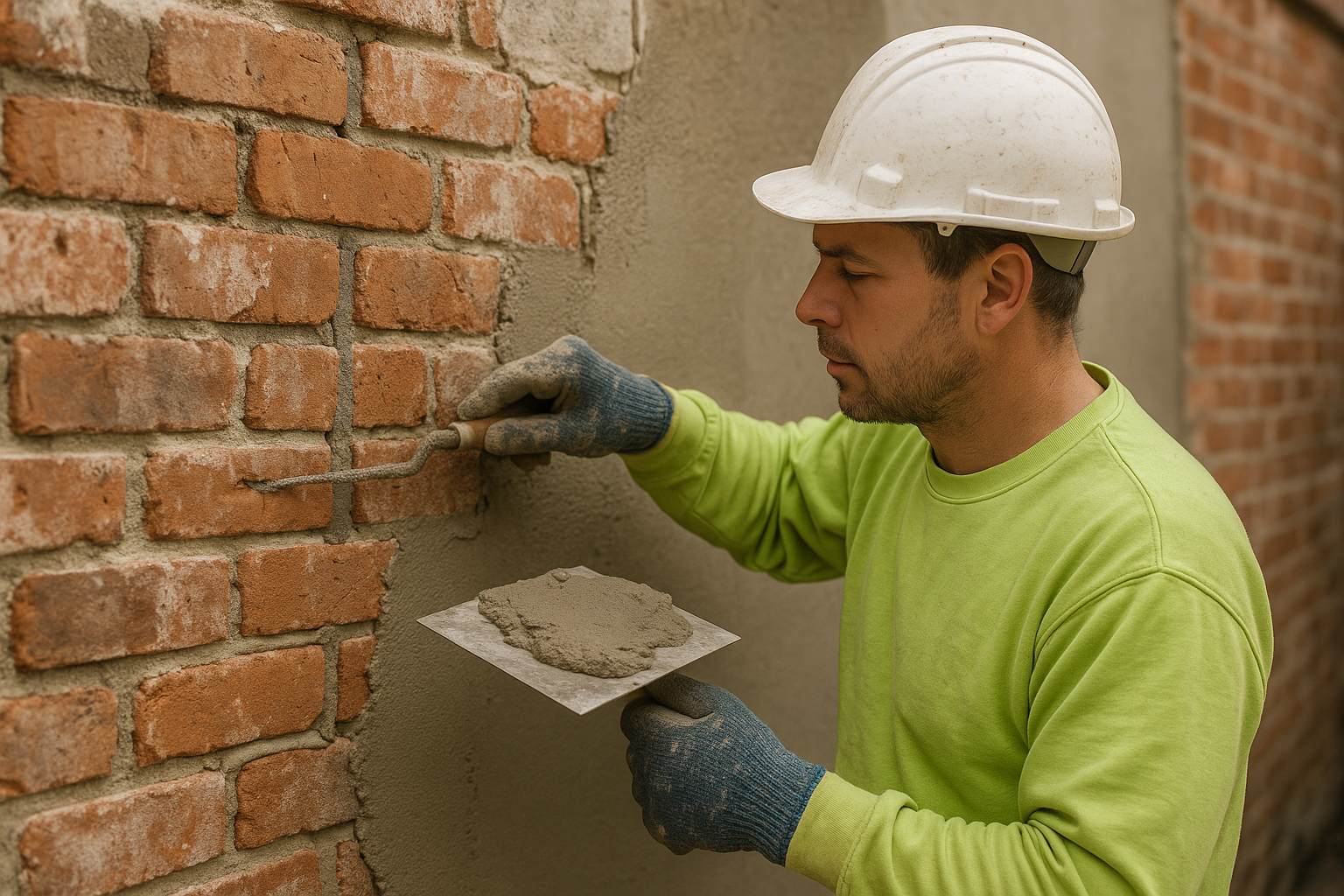
The foundational service — removing deteriorated mortar from joints and replacing it with properly matched, appropriate mortar. Professional tuckpointing and repointing is both a structural and aesthetic process; done right, it’s virtually invisible and adds decades of life to your brickwork.

Brick Replacement & Mortar Repairs

When individual bricks are damaged beyond saving, skilled brick masonry restoration involves sourcing matching or complementary bricks — sometimes reclaimed stock, sometimes stained to match — and integrating them seamlessly into the existing wall. The goal is structural integrity and visual consistency.

Heritage Building Restoration

This is where the craft really comes into its own. Working on heritage building restoration in Sydney demands a completely different skillset and mindset. You’re not just fixing a wall — you’re preserving a piece of the city’s architectural identity. That means using period-appropriate materials, compatible lime mortars, reclaimed bricks where possible, and traditional techniques that respect the building’s original construction.

Sydney has strict heritage conservation guidelines, and work on heritage-listed properties often requires council-approved methods and documentation. This is not the territory for generalist builders.

Sandstone Restoration

Sydney is blessed with some of the finest sandstone buildings in the Southern Hemisphere, but sandstone is notoriously porous and vulnerable to erosion, staining, and surface degradation. Stone restoration work includes cleaning, repointing, patching, and sealing — all requiring specialist knowledge of the stone’s characteristics and behaviour.

Brickwork & Facade Cleaning

Years of grime, pollution, and biological growth (moss, lichen, algae) can be removed through professional cleaning processes that restore the original colour and character of brickwork without damaging the surface.

Crack Repair & Structural Stitching

For more serious structural movement, modern remedial techniques include helical bar insertion into mortar joints to stitch cracked masonry back together — stabilising walls without the need for wholesale reconstruction.
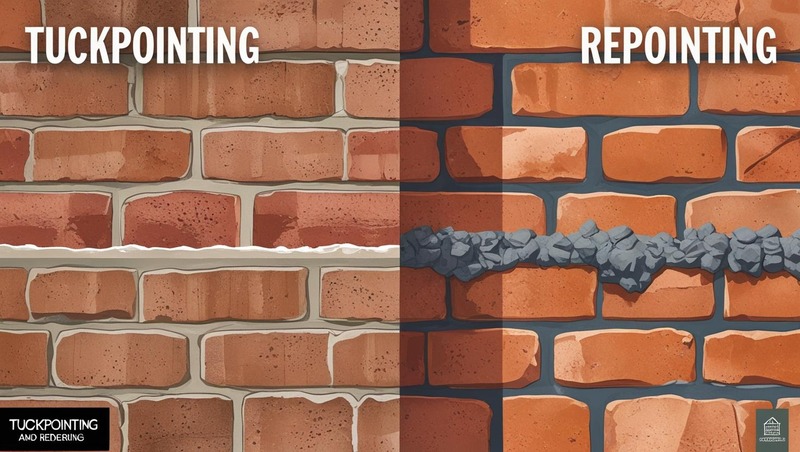
Difference Between Tuckpointing and Repointing

Heritage Building Restoration in Sydney: It’s Personal

Sydney’s heritage buildings aren’t just old structures — they’re identity. The sandstone terraces of Paddington. The Federation bungalows of Hunters Hill. The early-colonial brick warehouses of The Rocks. These buildings tell the story of how this city grew.

Heritage building restoration in this context carries a responsibility that goes beyond the purely technical. The best masonry restorers in Sydney understand the historical context of the buildings they work on, know which materials are appropriate and which are prohibited, and approach every project with the kind of patience and precision that commercial construction timelines rarely allow.

Critical principles for heritage masonry work:

  • Compatibility of materials — mortar strength and composition must be matched to or slightly weaker than the original brick. Softer mortar is sacrificial by design; it protects the irreplaceable brick faces.
  • Minimal intervention — the less you change, the more you preserve. Good heritage restoration focuses on stabilising and consolidating existing fabric rather than wholesale replacement.
  • Reversibility — where possible, interventions should be reversible, using materials and methods that can be undone by future conservators without causing damage.
  • Sourcing — period-appropriate bricks, reclaimed stocks, and custom-matched mortars are non-negotiable on significant heritage work.

If your property falls under a heritage overlay or is located in a heritage conservation area — and significant portions of inner Sydney do — it’s worth checking with your council before any masonry repair work begins.

How Professional Masonry Contractors Actually Work: The Process

Understanding what a proper job looks like helps you identify the cowboys from the craftsmen. Here’s what a thorough masonry repair process looks like from start to finish:

  1. Inspection & Diagnosis A proper assessment goes beyond eyeballing the surface. Good contractors check for rising damp, test mortar strength, inspect wall ties (especially in cavity walls), assess drainage and water management around the building, and identify the root cause of any damage.
  2. Scoping & Specification A detailed written scope of work should specify which areas are being treated, what mortar type and mix will be used, how existing mortar will be removed, and how new materials will be matched to the existing structure. For heritage work, this document may need to satisfy council requirements.
  3. Mortar Removal Using angle grinders or oscillating tools — not hammers and chisels, which risk damaging the brick arrises — mortar is removed to the required depth. Dust management matters here too, especially in residential areas.
  4. Surface Preparation Joint faces are cleaned and dampened to ensure good adhesion of new mortar. This step is frequently skipped by less thorough operators, and it’s why so many patch jobs fail within 12 months.
  5. Mortar Application & Finishing New mortar is applied in stages (for deep joints), worked to a consistent profile that matches the original, and finished to shed water appropriately. Multiple finishing profiles exist — flush, weatherstruck, recessed, rodded — and the choice should match the original wherever possible.
  6. Curing & Protection Freshly applied mortar needs to cure slowly. In hot or windy conditions, the surface may need protection to prevent rapid drying. This is particularly important for lime-based mortars.
  7. Cleaning & Inspection Final clean-down, spot-check of all repaired areas, and a walkthrough with the client to confirm all work has been completed to specification.

How We Help: Sydney’s Trusted Masonry Specialists

At Tuckpointing & Rendering Sydney, we’ve built our reputation doing exactly this — proper work, properly specified, with materials chosen for compatibility and longevity rather than convenience.

Our team of highly skilled craftsmen are experienced across the full spectrum of masonry work: from routine brick masonry restoration and repointing services for residential properties, through to complex heritage building restoration requiring period-appropriate techniques and materials.

We work across all Sydney suburbs — inner city, eastern suburbs, north shore, inner west, and beyond — and we approach every job, big or small, with the same commitment to quality. We’re not a volume operation. We don’t cut corners on mortar depth. We don’t use the wrong mix because it’s cheaper. And we don’t disappear after the job is done.

Our masonry restoration and renovation services cover:

  • Brick repointing and tuckpointing (residential and commercial)
  • Full masonry renovation and restoration
  • Heritage brickwork and sandstone conservation
  • Structural crack repairs and brick replacement
  • Brickwork facade cleaning and paint removal
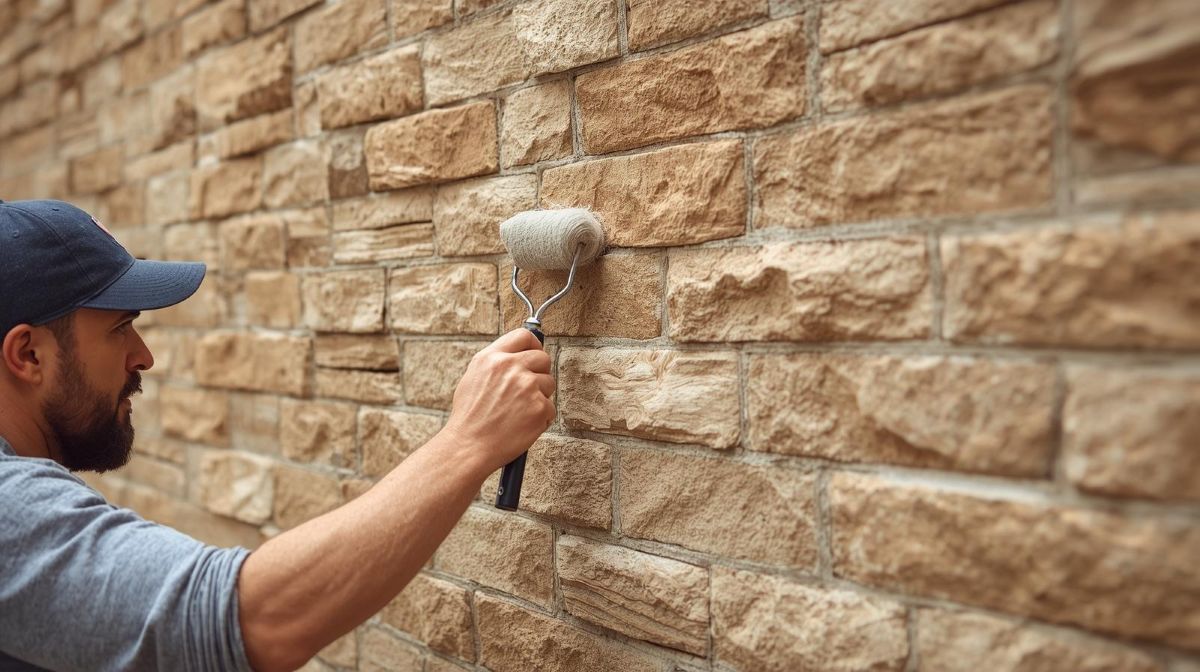
  • Sandstone imitations and rendering

Whether you’ve got a crumbling Victorian terrace in Balmain, a Federation bungalow in Strathfield with failing mortar joints, or a mid-century commercial building in need of a full facade overhaul, our team has the experience to get it done right.

Frequently Asked Questions

How do I know if I need repointing or full brick replacement? If the mortar joints are deteriorated but the bricks themselves are intact, repointing is usually sufficient. If bricks are spalling, cracking, or structurally compromised, replacement may be necessary. A qualified masonry contractor can assess this during an inspection.

Is masonry repair covered by home insurance? It depends on your policy and the cause of damage. Gradual deterioration is generally not covered, but storm or impact damage often is. Check your policy and have a professional provide documentation if you’re lodging a claim.

How long does repointing last? When done correctly with appropriate materials, professional repointing should last 20–30 years minimum. Poorly done work with incompatible mortar may need attention within 3–5 years.

Does heritage listing affect what masonry repairs I can do? Yes, significantly. Heritage-listed properties may require council approval for certain works and must use approved methods and materials. A specialist masonry contractor familiar with Sydney’s heritage controls is essential.

Can you match old mortar colour exactly? Not exactly, but close enough that repairs aren’t visible to the casual observer. Experienced tradespeople assess the original mortar’s colour, texture, and aggregate, and custom-mix accordingly.

The Bottom Line: Don’t Wait for the Wall to Tell You Twice

Masonry damage doesn’t get better on its own. Every winter rain that seeps through cracked pointing does more damage. Every summer that bakes the moisture out of compromised brickwork accelerates the deterioration. The longer you wait, the bigger the scope — and the bigger the bill.

Sydney’s built environment is genuinely special. The homes here are worth preserving — not just as assets, but as architecture. Masonry repair and building restoration isn’t just maintenance; it’s stewardship of something that took generations to build and that future owners will depend on you to hand over intact.

If you’re not sure where to start, we’re always happy to have a look and give you an honest assessment. No drama, no pressure — just straight talk about what your masonry actually needs.

Call us on 0452 522 232 for a free quote, or explore more masonry guides and tips on our blog.

Your walls have been patient long enough. Let’s give them the help they deserve.
Patch Render Services Sydney

Cement Rendering & Mortar Repair Sydney: The Complete 2026 Service Guide

Cement Rendering & Mortar Repair Sydney:
The Complete 2026 Service Guide

By Tuckpointing and Rendering Sydney | Masonry Specialists | Serving All Sydney

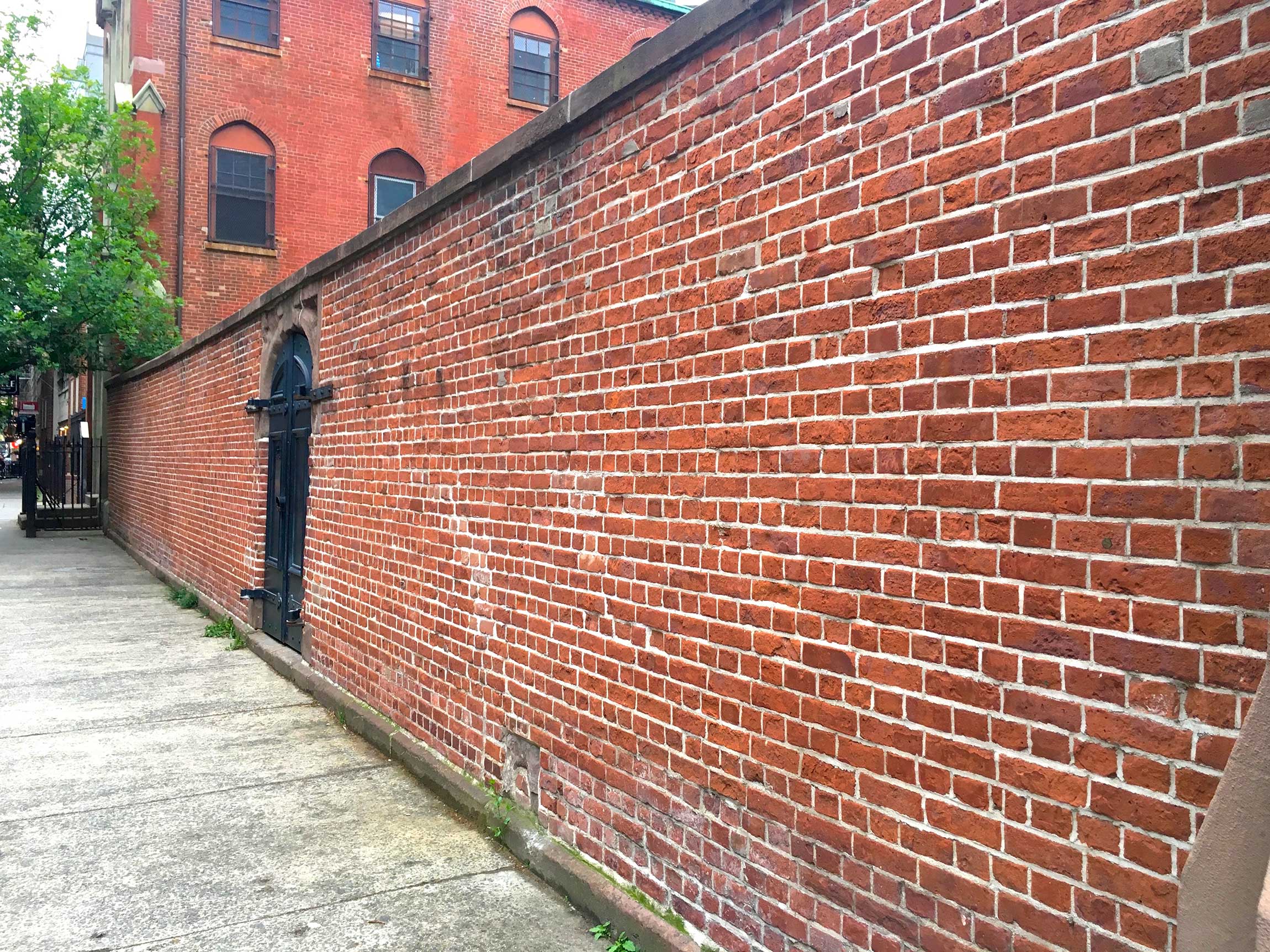
Brick is one of the most enduring building materials in the world. A well-built brick wall can last a century or more — Federation homes across Sydney’s inner suburbs are living proof of that. But here’s the part that doesn’t get enough attention: it’s not the brick that fails first. It’s the mortar.

Mortar is the deliberate weak point in masonry construction. It’s designed to sacrifice itself — slowly absorbing the movement, thermal cycling, moisture, and environmental stress that would otherwise crack the bricks themselves. In Sydney’s climate, that sacrifice happens faster than in many parts of Australia. Salt air near the coast, UV intensity, and the heavy rainfall events that come with east coast lows all accelerate mortar deterioration. A brick wall from 1985 that’s never had its mortar attended to is very likely showing early signs of trouble right now.

The good news: mortar repair and masonry restoration is significantly more affordable than brick replacement, and far less disruptive than people assume. This guide covers the full range of masonry and rendering services for Sydney homes — from tuckpointing and mortar repairs through to acrylic rendering, blueboard cladding, texture coating, and swimming pool rendering. Real 2026 costs, clear process explanations, and the practical knowledge you need to make the right decision for your property.

Mortar Matters: Why Tuckpointing and Repointing Are More Important Than You Think

Let’s clear up some terminology first, because “tuckpointing” and “repointing” get used interchangeably in Sydney and they’re not quite the same thing — and knowing the difference helps you understand what you’re being quoted for.

Repointing is the straightforward process: remove deteriorated or failed mortar from brick joints to a minimum depth of 15mm, and replace it with fresh mortar that matches the existing in composition and colour. It’s maintenance work that should happen every 25–30 years on most Sydney residential properties — more frequently near the coast.

Tuckpointing (proper tuckpointing) is a heritage masonry technique where the joints are filled with mortar that closely matches the brick colour, and then a fine contrasting “tuck” of white or cream putty is applied in a precise line along the centre of each joint. This creates the visual illusion of perfectly uniform, fine joints on what is actually standard coursed brickwork with wider mortar joints. It’s mostly specified for prestige heritage restoration on Federation, Edwardian, and interwar properties in Sydney’s inner suburbs. Genuine tuckpointing and repointing services in Sydney require a different skill level than general repointing — don’t confuse the two when comparing quotes.

Signs Your Sydney Home Needs Mortar Repair Now

Here’s a practical checklist of what to look for on your own brickwork:

Crumbling or powdering mortar. Press your finger against a mortar joint. If it crumbles or leaves powder on your fingertip, the mortar has carbonated out and needs replacement. This is the normal end-of-service-life condition for cement-based mortars.

Cracks along mortar joints. Fine hairline cracks are early warning. Step-pattern cracking along courses — where the crack follows the mortar joint in a staircase pattern — indicates wall movement that needs investigating before it’s just treated as a repointing job.

Gaps between mortar and brick. When the bond between mortar and brick face breaks, you can see a visible separation at the edge of the joint. Water gets in, freezes in cold snaps, and expands the gap further with each cycle.

Damp patches on interior walls. If you’re seeing water staining or dampness on the inside of an external brick wall, the mortar is likely compromised enough to be allowing water ingress. This is the stage where internal damage starts — and internal damage costs significantly more than the mortar repair that would have prevented it.

Spalling bricks. When bricks show the face crumbling or flaking away from the main brick body, this is “spalling” — often caused by hard Portland cement mortar that’s been used on what should have had softer lime-based mortar (common on Federation-era Sydney homes). The cement mortar doesn’t absorb movement — the brick does, and eventually the brick face loses the battle.

Sydney Tuckpointing & Rendering

Brickwork and Mortar Repairs: What the Professional Process Looks Like

A proper brickwork and mortar repair in Sydney isn’t just raking out and filling. Here’s what a quality job involves:

Mortar analysis. For heritage properties — anything pre-1960 in Sydney — the existing mortar composition must be assessed before new mortar is specified. Applying Portland cement mortar to a lime-mortar wall is one of the most damaging mistakes in heritage masonry repair. Hard cement in soft lime-mortar joints transfers all wall movement stress into the bricks rather than the mortar, causing progressive brick face spalling that’s irreversible and very expensive to remedy. Mortar analysis costs $100–$300 and is non-negotiable for Federation, Edwardian, and inter-war Sydney homes.

Raking out. Deteriorated mortar is removed to a minimum depth of 15mm using grinders or hand chisels depending on joint width and brick hardness. Using an angle grinder on soft heritage bricks risks damaging brick arises (the edges) — hand tools are slower but preserve the masonry. Any brickie who skips this minimum depth is setting up a repointing job that delammates within two to three years.

Brick assessment. While the mortar is out, individual bricks are assessed for spalling, cracking, or structural compromise. Damaged bricks are replaced before new mortar goes in — not covered over and hoped for.

New mortar application. Fresh mortar — matched in composition, colour, and texture to the existing — is worked into the joint and tooled to the specified finish. Weatherstruck, recessed, or flush finishes each have different visual results and different performance characteristics in Sydney’s rain conditions. The joint is worked wet and then cleaned back before full set.

Curing. New mortar needs protection from rapid drying, particularly in Sydney’s summer. Misting and protection from direct sun for 3–5 days prevents shrinkage cracking in the new mortar.

Cost in 2026: Repointing in Sydney costs $50–$150 per square metre for standard Portland cement-based mortar work. Lime mortar (required for pre-1960 heritage properties) runs $60–$100+ per square metre. Project totals: small jobs (chimney or isolated wall section) $500–$1,500; medium projects (entire wall of single-storey home) $2,000–$5,000; large projects (full exterior of double-storey or multi-level) $5,000–$15,000+. Scaffolding adds 20–40% for walls above single-storey height.

Masonry Restoration and Sandstone: When You’re Dealing With the Really Old Stuff

Sydney has a genuinely unique masonry heritage. Sandstone — the golden, creamy stone that defines Federation-era buildings, historic walls, churches, and civic buildings across the inner suburbs — requires specialist care that goes well beyond standard brick repair.

Masonry restoration and renovation in Sydney on sandstone properties involves assessment of stone condition, lime mortar specification that matches the historical period of the construction, careful hand application of matching mortars, and in some cases stone repair using compatible lime-based repair mortars rather than stone replacement.

Sydney’s sandstone weathers in a specific way — “case hardening” of the outer surface followed by softer material below creates a vulnerability to hard cements that can pop the hardened face off if incorrectly specified repair mortars are used. This is specialist territory where the wrong choice of materials actively damages the irreplaceable original fabric.

For period properties with sandstone elements — even just a sandstone garden wall or fence pier — sandstone imitation and repair work using coloured lime-based mortars can achieve faithful repairs and restorations that preserve the appearance and character of the original. This is craftsmanship work, and it’s priced accordingly — but far cheaper than stone replacement.

Brick Paint Removal: Giving Heritage Brick a Second Life

Here’s a situation that comes up regularly across Sydney’s inner suburbs: a Federation or inter-war home where a previous owner, at some point in the 1970s or 80s, painted the beautiful original brick. It seemed like a good idea at the time. It very much isn’t.

Paint on brick traps moisture inside the wall — brick is a breathable material, and sealing the face with paint forces moisture to find alternative paths, which usually means it accumulates in the wall structure and eventually causes spalling, damp, and mortar failure. Painted brick also looks dramatically different from unpainted brick as the paint weathers and peels.

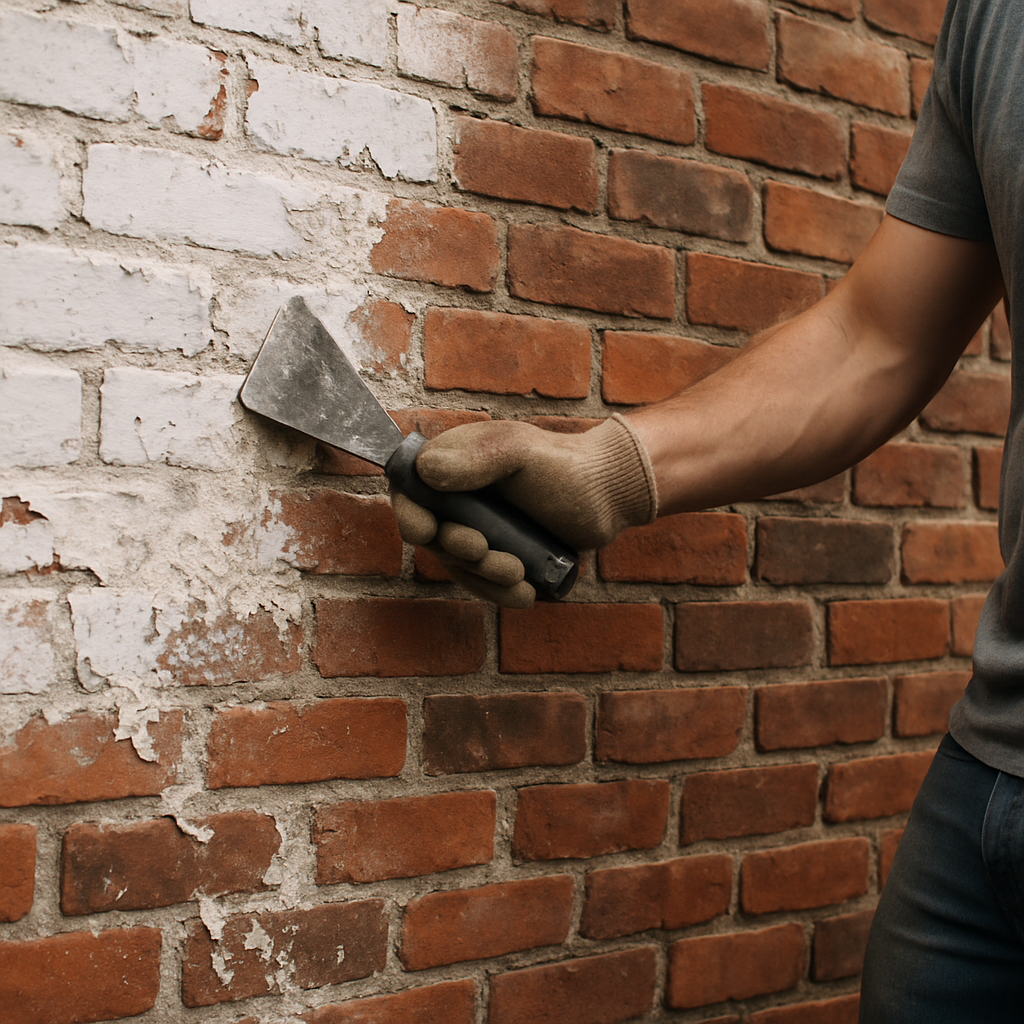
Brick paint removal in Sydney uses a combination of chemical strippers specifically formulated for masonry, careful pressure washing, and hand tools for residual paint in recessed joints. The result is restored bare brick that can breathe properly and be repointed with correct mortars. It’s labour-intensive work — but for the right property, revealing original Federation brick under 40-year-old paint is one of the most satisfying masonry transformations there is.

Rendering Services: Acrylic, Rockcote, and Texture Coating

Not every Sydney home with brick needs the brick revealed — many homeowners want the opposite, a clean rendered exterior that modernises the appearance and provides additional weather protection. Here’s where the rendering options come in.

Acrylic Cement Rendering

Acrylic cement rendering in Sydney combines the durability of a cement render system with polymer modification that adds flexibility — critical in Sydney’s thermally active climate. Acrylic renders come pre-coloured, eliminating the separate painting stage on most projects. They bond effectively to brick, block, and fibre cement substrates, and handle coastal humidity and UV significantly better than pure cement systems.

Cost: $46–$80 per m² in Sydney (2026 rates). Total project costs for a standard single-storey home run $6,750–$18,000 depending on wall area and surface preparation requirements.

Rockcote Colour Render Systems

Rockcote colour systems are a premium pre-coloured render product specifically formulated for Australian conditions — including Sydney’s coastal UV and humidity exposure. Rockcote’s range includes fine through to medium textures, and the colour range is extensive, allowing colour matching to contemporary Sydney residential and commercial palette trends.

For properties where the render finish is as much a design statement as a functional choice — architecturally designed homes, prestige renovations, commercial buildings — Rockcote systems deliver a quality and consistency of finish that generic cement render can’t replicate.

Texture Coating

Texture coating in Sydney is an acrylic-based finish coat system applied over an existing prepared surface — whether existing render, cement sheet, or block — that provides both colour and a textured surface finish in a single application. The coarse, sand-faced finish that texture coating produces hides minor surface imperfections effectively, is self-coloured (no separate painting required), and is genuinely low-maintenance in Sydney’s conditions.

It’s a popular choice for updating the appearance of rendered homes from the 1990s and 2000s where the existing render is structurally sound but dated or faded. Cost: $52–$92 per m² in Sydney (2026 rates).

Difference Between Tuckpointing and Repointing

Blueboard and Foam Cladding: The Lightweight Rendering Solution

Blueboard and foam cladding in Sydney are two of the most practical rendering substrate systems for situations where direct render application isn’t appropriate or practical.

Blueboard (FC sheet) — fibre cement sheet fixed to the existing wall framing or masonry — provides a stable, flat substrate for acrylic or cement render application. It’s used for new construction, additions, and for situations where the existing wall substrate (crumbling brick, uneven masonry) isn’t suitable for direct render. Cost: $50–$120 per m² installed and rendered.

Foam (EPS) cladding — polystyrene foam boards adhered to the existing wall, covered with fibreglass mesh and render — simultaneously provides a rendered finish and meaningful thermal insulation. This is the system that delivers two benefits for one project cost: appearance transformation and energy performance improvement. For western Sydney homes where summer temperatures exceed 40°C regularly, the insulation value of a foam cladding system is directly felt in both comfort and energy bills. Cost: $80–$150+ per m² installed — more upfront than direct render, but the insulation value shifts the lifetime value equation significantly in the owner’s favour.

Swimming Pool Rendering: The Specialist Application Most Renderers Won’t Touch

Here’s where we need to talk about a category that requires genuine specialist knowledge — and where using a general renderer rather than a pool rendering specialist is a very expensive mistake.

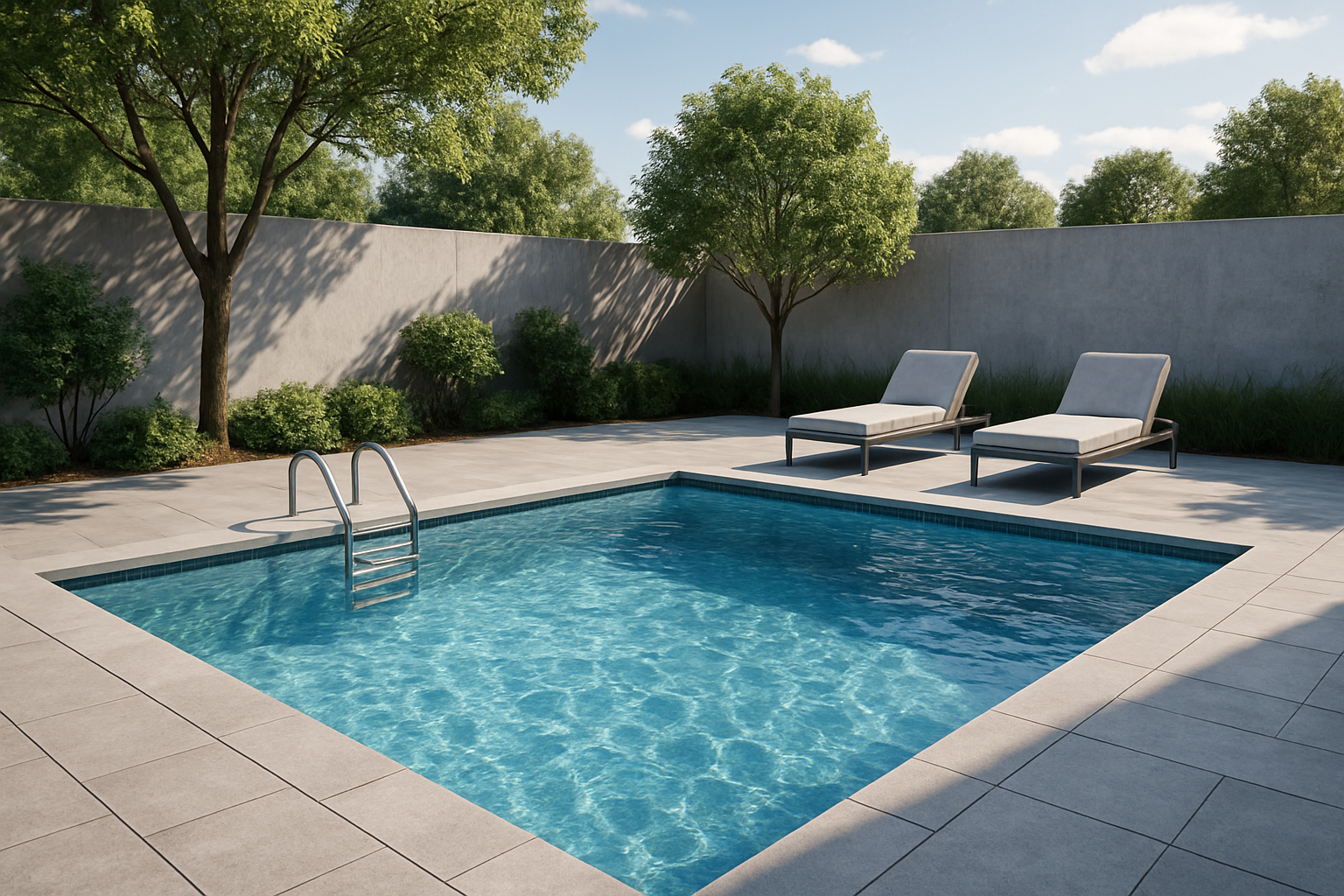
Swimming pool rendering in Sydney involves applying waterproof, chemically-resistant render systems to the internal surface of a concrete pool shell. The demands on this render are fundamentally different from any exterior wall application: constant water immersion, regular exposure to pool chemicals (chlorine, salts, pH adjusters), temperature variation between full-sun and shade conditions, and the structural movement that pool shells undergo as the water level changes.

Standard cement render in a pool environment will fail within a few years — the combination of chemical exposure and hydrostatic pressure cycling simply exceeds what a standard system is designed for. Pool render requires:

  • Waterproof admixtures throughout the render mix
  • Application in multiple coats over a prepared shell (acid-etched or mechanically keyed)
  • Correct curing conditions and water introduction schedule after the final coat
  • Chemical compatibility assessment for the pool’s treatment system

The process for pool resurfacing specifically: drain the pool, clean and mechanically prepare the shell, apply a bonding slurry, apply two coats of waterproof render, allow full cure (minimum 14–21 days before refilling), and introduce water gradually to allow the render to cure under controlled hydration conditions.

Cost in Sydney (2026): Pool rendering typically runs $3,500–$8,000+ for a standard residential pool depending on pool size, shape complexity, and current condition of the existing shell. Larger or more complex pools move the cost upward from there.

Don’t use a general renderer for pool work, and don’t use a pool renderer who doesn’t discuss the chemical compatibility of their system with your pool’s treatment setup. Both paths lead to premature failure.

Affordable Masonry and Rendering in Sydney: What It Actually Looks Like

The themes are consistent across all masonry and rendering work: the cheapest quote is almost never the best value. Because masonry work — mortar repair, rendering, brick restoration — involves decisions about materials and preparation that have 20–30 year consequences. Getting it wrong with cheap Portland cement mortar on a heritage lime wall means progressive brick damage for the next decade. Skipping surface preparation before rendering means a coating that peels or cracks within four years.

Affordable masonry work means correct specification, right materials, adequate preparation, and fair market pricing for that scope. It means a written quote that specifies the mortar type, the render system brand, the number of coats, and what surface preparation is included. Anything less than that level of detail doesn’t allow meaningful price comparison.

Tuckpointing and Rendering Sydney provides tuckpointing and repointing, brickwork and mortar repairs, masonry restoration, brick paint removal, sandstone imitation, acrylic cement rendering, Rockcote colour systems, texture coating, blueboard and foam cladding, and swimming pool rendering across all Sydney metropolitan suburbs. Fully insured. Free on-site inspections and written quotes available.

Get in touch with Tuckpointing and Rendering Sydney for a free on-site inspection and written quote covering any of the services described in this guide. We specialise in masonry — it’s all we do, and we do it properly.
Sandstone Imitations Sydney

Why Sandstone Imitations Are the Perfect Blend of Style and Durability

When it comes to achieving the timeless elegance of natural sandstone without the associated costs and maintenance challenges, sandstone imitations have emerged as the go-to solution for discerning property owners. These innovative alternatives deliver exceptional aesthetic appeal while offering superior durability and practical benefits that make them an increasingly popular choice for both residential and commercial applications.

The Rising Popularity of Sandstone Imitation Solutions

The construction and renovation industry has witnessed a significant shift toward high-quality imitation materials that replicate the beauty of natural stone. Sandstone Imitations Sydney specialists have perfected techniques that create virtually indistinguishable alternatives to genuine sandstone, offering property owners the best of both worlds: stunning visual appeal and enhanced performance characteristics.

Modern sandstone imitations utilize advanced manufacturing processes and premium materials to achieve remarkable authenticity. These products capture the natural variations, textures, and color gradations that make genuine sandstone so appealing, while addressing many of the limitations associated with natural stone applications.

Understanding Sandstone Imitation Technology

Advanced Manufacturing Processes

Contemporary sandstone imitations are created using sophisticated molding and casting techniques that reproduce even the most intricate details of natural sandstone surfaces. High-grade polymers, specialized aggregates, and carefully formulated binding agents work together to create products that not only look authentic but also perform exceptionally well in various environmental conditions.

The manufacturing process involves detailed analysis of natural sandstone samples to ensure accurate color matching and texture reproduction. This scientific approach results in imitations that maintain consistent quality while offering design flexibility that natural stone cannot provide.

Material Composition and Benefits

Quality sandstone imitations typically combine lightweight yet durable base materials with advanced surface treatments that replicate the appearance and feel of natural stone. These formulations are specifically engineered to resist weathering, fading, and structural deterioration that can affect natural sandstone over time.

Style Advantages That Set Sandstone Imitations Apart

Consistent Aesthetic Quality

Unlike natural sandstone, which can vary significantly in color, texture, and structural integrity, imitations provide consistent quality across entire projects. This consistency ensures that large-scale applications maintain uniform appearance without the color variations or structural inconsistencies that can occur with natural stone.

Design Flexibility and Customization

Professional sandstone imitations services offer extensive customization options that allow property owners to achieve specific design goals. From custom color matching to unique texture applications, imitations can be tailored to complement existing architectural elements or create entirely new aesthetic statements.

The ability to create custom profiles, curves, and complex geometric shapes makes sandstone imitations particularly valuable for projects requiring specific architectural details that would be challenging or prohibitively expensive to achieve with natural stone.

Seamless Integration Capabilities

Modern sandstone imitations can be seamlessly integrated with various architectural styles and existing building materials. Whether applied to heritage restorations, contemporary developments, or mixed-use projects, these products adapt to diverse design requirements while maintaining authentic appearance.

Durability Features That Exceed Natural Stone

Weather Resistance and Longevity

Sandstone imitations are engineered to withstand harsh weather conditions that can cause deterioration in natural stone. Advanced polymer formulations resist moisture penetration, freeze-thaw cycles, and UV radiation that can cause cracking, spalling, and color degradation in genuine sandstone.

The controlled manufacturing environment ensures that imitations maintain consistent density and structural integrity throughout the material, eliminating weak points that can develop in natural stone due to geological formation processes.

Reduced Maintenance Requirements

While natural sandstone requires regular sealing, cleaning, and potential repair work, quality imitations maintain their appearance and structural integrity with minimal maintenance. This reduced maintenance burden translates to significant long-term cost savings and reduced disruption to property operations.

Impact and Abrasion Resistance

Modern sandstone imitations demonstrate superior resistance to impact damage and surface abrasion compared to natural stone. This enhanced durability makes them particularly suitable for high-traffic areas, commercial applications, and locations where mechanical damage might occur.

Installation and Application Benefits

Simplified Installation Processes

The lightweight nature of sandstone imitations reduces structural loading requirements and simplifies installation procedures. Professional installers can work more efficiently, reducing project timelines and associated labor costs while maintaining superior quality standards.

Structural Compatibility

Sandstone imitations can be applied to various substrate materials without requiring extensive structural modifications. This compatibility makes them ideal for renovation projects where adding significant weight or making structural changes would be impractical or costly.

Economic Advantages of Choosing Imitations

Cost-Effective Implementation

When considering material costs, transportation expenses, installation requirements, and long-term maintenance needs, sandstone imitations provide exceptional value compared to natural stone alternatives. The initial investment typically delivers superior return through reduced maintenance costs and extended service life.

Project Efficiency Benefits

The consistent quality and simplified installation requirements of imitations contribute to more predictable project timelines and budgets. This reliability is particularly valuable for commercial projects where scheduling delays can have significant financial implications.

Environmental Considerations and Sustainability

Reduced Environmental Impact

Sandstone imitations eliminate the need for quarrying natural stone, reducing environmental disruption and transportation-related carbon emissions. Many imitation products incorporate recycled materials and utilize manufacturing processes designed to minimize environmental impact.

Long-Term Performance Benefits

The extended service life and reduced maintenance requirements of quality imitations contribute to overall sustainability by reducing resource consumption over the building’s lifecycle.

Conclusion

Sandstone imitations represent a sophisticated solution that successfully balances aesthetic excellence with practical performance benefits. For property owners seeking the timeless appeal of sandstone without the associated challenges and costs, professional sandstone imitations Sydney services offer access to products and expertise that deliver exceptional results.

The combination of authentic appearance, superior durability, design flexibility, and economic advantages makes sandstone imitations an intelligent choice for both new construction and renovation projects. As manufacturing technologies continue to advance, these products will undoubtedly become even more sophisticated while maintaining their position as the preferred alternative to natural stone for discerning property owners and design professionals.

Acrylic & Cement Rendering Sydney

Acrylic & Cement Rendering Sydney: Blending Style with Long-Lasting Strength

When it comes to enhancing your property’s exterior aesthetics while ensuring maximum durability, Acrylic & Cement Rendering Sydney services stand out as the premier choice for homeowners and commercial property owners alike. These sophisticated rendering techniques offer an unbeatable combination of visual appeal and structural protection that can transform any building facade into a stunning architectural statement.

Understanding Acrylic and Cement Rendering: The Foundation of Excellence

Modern rendering systems have evolved significantly, with acrylic and cement-based solutions leading the charge in both residential and commercial applications. These advanced materials provide superior weather resistance, flexibility, and longevity compared to traditional rendering methods. The science behind these rendering systems lies in their molecular composition, which allows for better adhesion, reduced cracking, and enhanced moisture management.

Acrylic rendering incorporates polymer-modified cement that creates a flexible, breathable surface capable of withstanding Sydney’s diverse climate conditions. From the humid summers to the occasional harsh winter weather, these rendering systems maintain their integrity while providing consistent protection for underlying substrates. The cement component ensures structural strength, while acrylic polymers add flexibility and water resistance.

The Sydney Climate Challenge: Why Quality Rendering Matters

Sydney’s unique coastal climate presents specific challenges for building exteriors. The combination of salt air, UV radiation, temperature fluctuations, and occasional severe weather events demands rendering solutions that can adapt and endure. Acrylic & Cement Rendering Sydney services address these challenges head-on by utilizing materials specifically formulated for Australian conditions.

The coastal environment introduces salt-laden moisture that can penetrate inferior rendering systems, leading to deterioration and costly repairs. Quality acrylic and cement rendering creates a protective barrier that repels moisture while allowing the building to breathe naturally. This balance prevents the buildup of trapped moisture that often leads to structural damage and mold growth.

Comprehensive Rendering Solutions: Beyond Basic Application

Professional rendering services encompass much more than simple material application. The process begins with thorough substrate preparation, which may include Tuckpointing and Repointing services to address existing mortar joint deterioration. This foundational work ensures that the new rendering system adheres properly and performs optimally over time.

Substrate assessment involves examining the existing wall surface for cracks, loose materials, and structural issues that could compromise the rendering system’s performance. Professional contractors identify areas requiring patch render services to create a uniform, stable base for the new coating system. This attention to detail distinguishes quality workmanship from superficial cosmetic improvements.

Acrylic Rendering: Flexibility Meets Durability

Acrylic rendering systems offer exceptional versatility in both application and appearance. The polymer-modified formula provides superior flexibility, allowing the rendered surface to expand and contract with temperature changes without developing stress cracks. This characteristic is particularly valuable in Sydney’s climate, where daily temperature variations can be significant.

The color retention properties of quality acrylic rendering systems ensure that your building maintains its vibrant appearance for years. UV-stable pigments resist fading, while the surface texture can be customized to achieve various aesthetic effects. From smooth contemporary finishes to textured traditional appearances, acrylic rendering accommodates diverse architectural styles and personal preferences.

Application techniques for acrylic rendering require specialized knowledge and experience. The material consistency, application timing, and environmental conditions all influence the final result. Professional contractors understand these variables and adjust their methods accordingly to achieve optimal adhesion and appearance.

Cement Rendering: Time-Tested Strength and Reliability

Traditional cement rendering remains a cornerstone of quality exterior finishing, particularly when enhanced with modern additives and application techniques. The inherent strength of cement-based systems provides exceptional durability and impact resistance, making them ideal for high-traffic areas and commercial applications.

Modern cement rendering incorporates various additives that improve workability, adhesion, and performance characteristics. Fiber reinforcement prevents micro-cracking, while plasticizers enhance application properties. Water-reducing agents improve the cement hydration process, resulting in a denser, more durable finished surface.

The thermal mass properties of cement rendering contribute to building energy efficiency by moderating interior temperature fluctuations. This characteristic is particularly beneficial in Sydney’s climate, where cooling costs can be significant during summer months.

Advanced Patch Render Services: Precision Repair Solutions

Patch Render Services represent a critical component of comprehensive building maintenance programs. These targeted repair services address localized damage without requiring complete re-rendering, providing cost-effective solutions for property owners seeking to maintain their building’s appearance and protection.

Professional patch rendering involves carefully matching existing textures, colors, and performance characteristics to ensure seamless integration with surrounding surfaces. This process requires extensive knowledge of rendering materials and application techniques, as inferior patch work often stands out prominently and may perform differently than the surrounding system.

The success of patch rendering depends heavily on proper surface preparation and material compatibility. Existing render must be thoroughly cleaned and prepared to ensure proper bonding with the new material. Edge preparation is particularly critical, as poorly executed transitions often result in visible lines and potential failure points.

Design Flexibility and Customization Options

Modern acrylic & cement rendering services offer extensive customization options to achieve specific aesthetic goals. Color selection extends far beyond basic whites and earth tones, with custom color matching services available to coordinate with architectural elements and landscape features.

Texture options range from smooth contemporary finishes to heavily textured traditional appearances. Stipple finishes, float finishes, and spray-applied textures each provide distinct visual characteristics suitable for different architectural styles. The choice of texture also influences maintenance requirements and long-term appearance retention.

Decorative elements can be incorporated during the rendering process to create architectural details and visual interest. Reveal lines, panel definitions, and textural transitions add depth and character to building facades. These elements require careful planning and skilled execution to achieve professional results.

Quality Assurance and Professional Standards

Sydney Tuckpointing & Rendering maintains rigorous quality standards throughout every project phase, from initial assessment through final inspection. This commitment to excellence ensures that every rendering system delivers the expected performance and appearance characteristics for years to come.

Material selection follows strict criteria based on substrate compatibility, environmental exposure, and performance requirements. Only proven, high-quality products from reputable manufacturers are utilized, ensuring consistent results and reliable warranty coverage.

Application procedures follow industry best practices and manufacturer specifications to optimize system performance. Environmental monitoring ensures that application conditions meet requirements for proper curing and adhesion. This attention to detail distinguishes professional installations from amateur attempts.

Investment Value and Long-Term Benefits

Quality rendering systems represent a significant investment in property value and protection. The initial cost is offset by reduced maintenance requirements, energy efficiency improvements, and enhanced property aesthetics that contribute to market value.

Properly installed Acrylic & Cement Rendering Sydney systems typically provide 15-20 years of reliable performance with minimal maintenance. This longevity compares favorably with painting cycles and other exterior finishing alternatives, providing superior long-term value.

The protective benefits of quality rendering extend beyond aesthetics to include structural preservation. By preventing moisture infiltration and protecting underlying substrates from weather exposure, rendering systems help maintain building integrity and prevent costly structural repairs.

Choosing the Right Rendering Solution

Selecting the appropriate rendering system requires careful consideration of building characteristics, environmental exposure, aesthetic preferences, and budget constraints. Professional consultation helps property owners navigate these variables to identify optimal solutions for their specific requirements.

Sydney Tuckpointing & Rendering provides comprehensive consultation services to evaluate existing conditions, discuss options, and develop customized solutions that meet both performance and aesthetic objectives. This consultative approach ensures that every project delivers maximum value and satisfaction.

The expertise required for successful rendering projects extends beyond basic application skills to encompass substrate evaluation, system selection, and long-term maintenance planning. Professional contractors bring this comprehensive knowledge to every project, ensuring optimal results and client satisfaction.

Patch Render Services Sydney

Patch Render Services Sydney: Perfect Solution for Damaged Walls

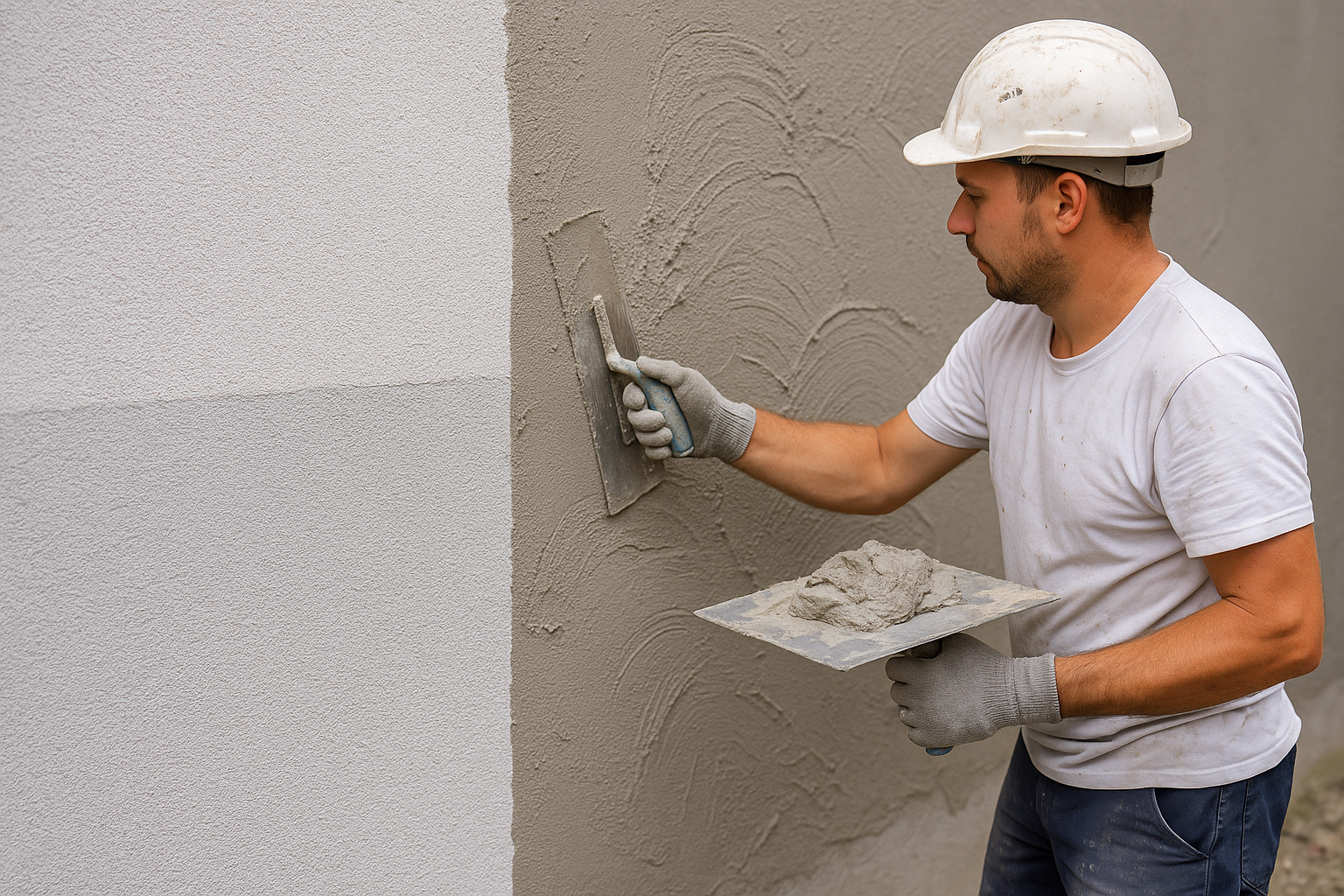
When walls begin to show signs of cracks, chips, or wear, homeowners and property managers often look for a reliable way to restore their structure without undergoing full-scale renovations. Patch Render Services Sydney has become one of the most effective solutions for repairing damaged walls, providing a seamless finish that enhances both durability and aesthetics. Whether it’s a minor crack in a residential home or extensive wall damage in a commercial property, patch rendering ensures the structure looks new again while maintaining its integrity.

In this article, we’ll explore what patch render services involve, why they are crucial for property maintenance, and how they compare to other related services such as tuckpointing & repointing services and swimming pool rendering.

What is Patch Rendering?

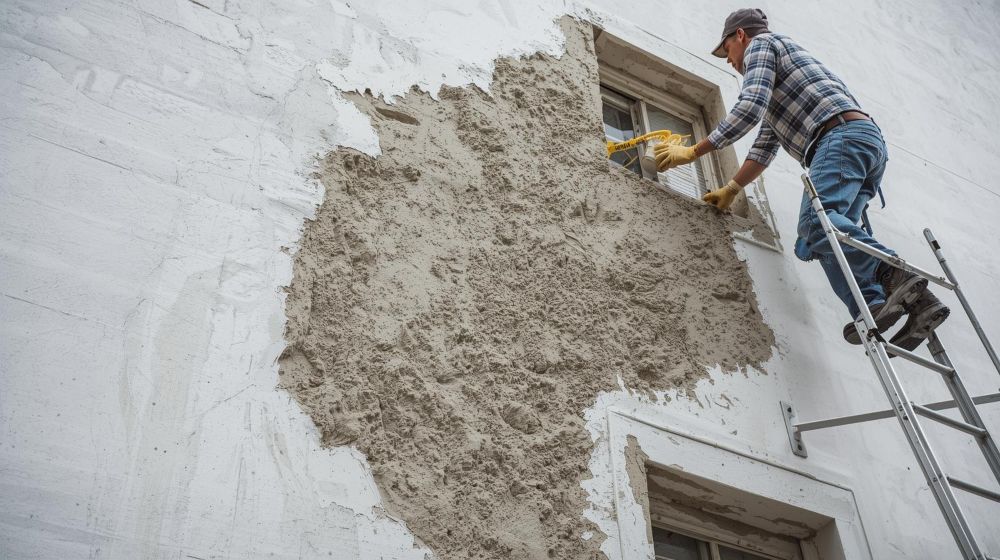
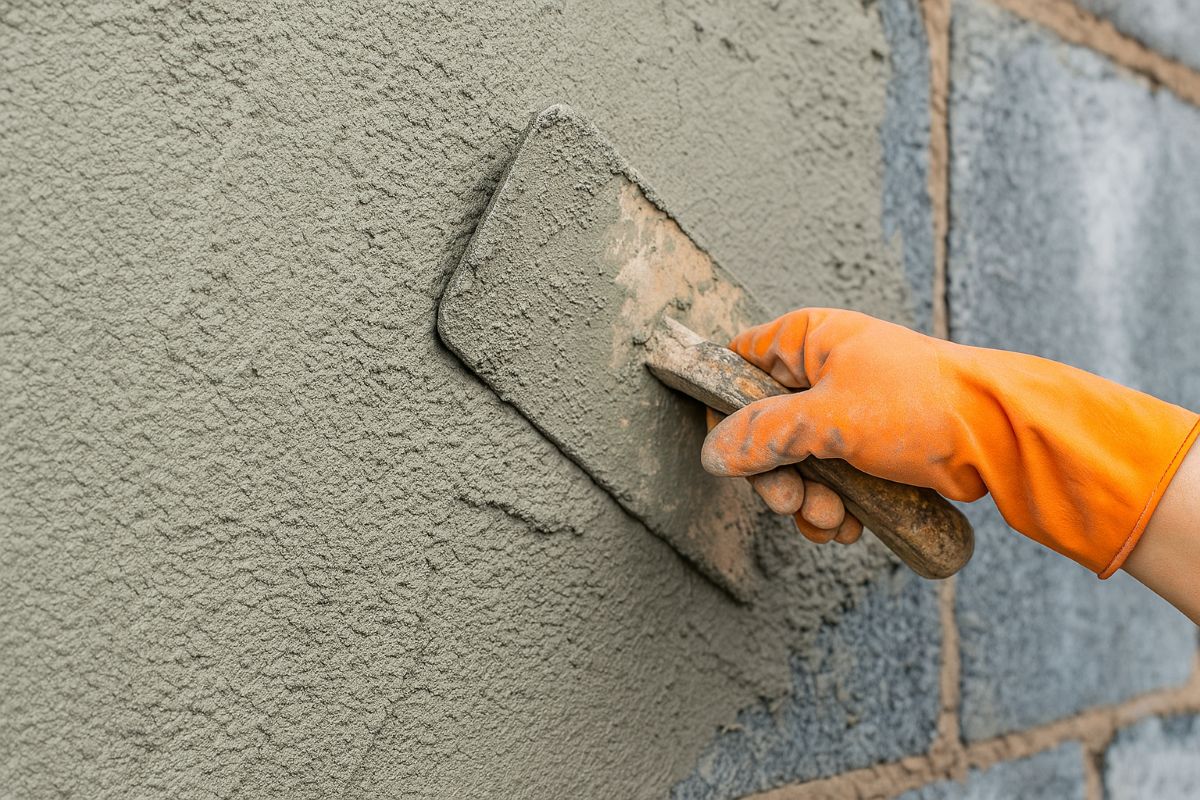
Patch rendering is a technique used to repair small sections of damaged or deteriorating walls without the need to re-render the entire surface. It involves carefully preparing the affected area, applying a fresh coat of render, and blending it with the surrounding wall for a uniform appearance.

Unlike traditional rendering, which covers entire walls or surfaces, patch rendering is targeted and cost-effective. It is especially beneficial for property owners who want to restore specific areas without investing in a full renovation.

Common Wall Problems Requiring Patch Render Services

Sydney’s weather, including intense heat, humidity, and heavy rains, can take a toll on rendered walls. Over time, cracks, holes, or structural imperfections may appear. Common wall issues that require patch render services include:

  • Cracks and splits caused by building movement or temperature fluctuations.
  • Water damage due to poor drainage or leaks.
  • Surface erosion from constant exposure to weather elements.
  • Aged or flaking render that diminishes the appearance of a property.
  • Impact damage from accidental bumps or construction work.

By addressing these issues promptly with patch rendering, property owners can prevent small damages from turning into costly repairs.

Why Choose Patch Render Services in Sydney?

When it comes to wall restoration, patch rendering is not only affordable but also practical. Here are the key benefits:

Cost-Effective Repairs

Instead of re-rendering entire walls, patch render services allow you to fix only the damaged sections, saving money on materials and labor.

Time-Saving Solution

Full-scale rendering projects can take days or even weeks. In comparison, patch rendering is a faster process, often completed within hours depending on the extent of damage.

Seamless Finish

Professional rendering contractors in Sydney ensure the repaired area blends perfectly with the existing wall, making the fix nearly invisible.

Prevention of Structural Damage

Cracks and gaps in walls can lead to water penetration, pest infestations, and weakened structures. Patch rendering seals these openings effectively, preserving the building’s strength.

Improved Aesthetics

Whether for residential or commercial properties, a clean, smooth wall surface enhances overall curb appeal and property value.

Patch Rendering vs. Other Wall Repair Methods

While patch rendering is one of the most sought-after solutions, other repair methods are often considered. Here’s how it compares:

Tuckpointing & Repointing Services

  • Used mainly for brick structures, tuckpointing and repointing involve repairing the mortar joints between bricks.
  • While patch rendering focuses on surface restoration, tuckpointing strengthens the joints, preventing structural weaknesses.
  • For heritage homes or brick façades in Sydney, tuckpointing & repointing services are ideal, while patch rendering is best suited for rendered surfaces.

Swimming Pool Rendering

  • Swimming pool rendering involves applying a strong, waterproof render inside pool structures to protect against leaks and improve aesthetics.
  • While patch rendering is for walls, swimming pool rendering is a specialized service tailored for water retention and durability in pool environments.
  • Both services aim to extend the life of the structure and enhance appearance.

By understanding the distinctions, property owners can choose the right solution for their specific needs.

The Patch Rendering Process in Sydney

Professional contractors follow a structured approach to ensure flawless results:

  • Assessment – The wall is inspected to identify cracks, water damage, or erosion.
  • Preparation – Damaged areas are cleaned, and loose render is removed.
  • Application – A new render mix is carefully applied to the affected sections.
  • Blending – The repaired patch is smoothed and matched with the existing texture.
  • Finishing – Once dry, the area can be painted or coated for additional protection.

This meticulous process ensures longevity and a consistent look across the wall.

Applications of Patch Render Services

Patch rendering is versatile and can be applied to various settings across Sydney:

  • Residential Homes – Repairing cracks and chips in external walls, garden walls, or internal plastered areas.
  • Commercial Buildings – Maintaining a professional appearance by fixing weathered façades.
  • Heritage Properties – Preserving original aesthetics while repairing damage in older structures.
  • Renovation Projects – Preparing walls for repainting or decorative finishes.

Why Hire Professionals for Patch Rendering in Sydney?

While some property owners may attempt DIY repairs, professional patch render services deliver long-lasting and visually appealing results. Here’s why hiring experts matters:

  • Experience: Skilled contractors understand the correct render mix and techniques for different wall types.
  • Tools & Materials: Professionals use high-quality tools and rendering materials that guarantee durability.
  • Seamless Integration: Matching the patch with the existing render requires skill to avoid visible inconsistencies.
  • Warranty & Reliability: Reputable Sydney rendering companies often provide guarantees for their work, giving property owners peace of mind.

Maintenance Tips after Patch Rendering

To keep your walls in great condition after patch rendering:

  • Regularly check for new cracks or water stains.
  • Ensure proper drainage to avoid water penetration.
  • Clean rendered surfaces gently to prevent dirt buildup.
  • Repaint walls when necessary to maintain aesthetics and added protection.

By combining patch rendering with proper maintenance, you can extend the life of your walls significantly.

Related Services You May Consider

While patch render services in Sydney are excellent for fixing localized damage, you may also benefit from other rendering and wall maintenance services:

  • Tuckpointing & Repointing Services for heritage brick restoration.
  • Swimming Pool Rendering to enhance pool durability and prevent water leakage.
  • Full Cement Rendering if your entire wall surface needs a complete makeover.
  • Acrylic Rendering for flexible, weather-resistant finishes on modern homes.

Interlinking these services ensures property owners choose the most suitable option based on their specific requirements.

Conclusion

Walls play a crucial role in both the functionality and appearance of your property. When damage occurs, Patch Render Services Sydney offers the perfect solution by repairing cracks, chips, and worn surfaces quickly, cost-effectively, and with a flawless finish. Whether you own a modern home, a commercial property, or a heritage building, professional patch rendering can restore your walls and protect them from future damage.

For property owners seeking comprehensive care, services like tuckpointing & repointing and swimming pool rendering further extend structural durability and improve aesthetics. By investing in expert wall restoration and maintenance, you ensure your property remains strong, appealing, and valuable for years to come.

Sydney Tuckpointing & Rendering

Why Tuckpointing and Rendering Are Essential for Brick Restoration

Brick is one of the most durable and timeless building materials. Whether featured in heritage homes, commercial façades, or boundary walls, it offers unmatched character and charm. However, time, weather, and neglect can erode its structural integrity and visual appeal. This is where Tuckpointing and Rendering comes into play—two crucial techniques in brick restoration that can revive worn-out structures and protect them for years to come.

Whether you’re a homeowner looking to preserve your historic residence or a builder tasked with rejuvenating aged masonry, understanding the importance of Tuckpointing & Repointing Services, Patch Render, and Paint Removal from Bricks is essential. Let’s explore why these services—especially when performed by Experienced Brick & Tile Specialists, are indispensable for lasting results.

What Is Tuckpointing? A Precision Brick Restoration Method

Tuckpointing is a specialised process that involves the removal of deteriorated mortar joints between bricks and the precise application of new mortar. The goal is to enhance structural integrity and restore the brick’s aesthetic appeal.

Why Tuckpointing Matters:

  • Prevents Water Infiltration: Crumbling mortar allows moisture to seep into walls, leading to structural damage and mould growth.
  • Preserves Structural Strength: Replacing old mortar strengthens the overall stability of your brickwork.
  • Aesthetic Renewal: It revives the crisp lines between bricks, often lost over time.

When carried out by Experienced Brick & Tile Specialists, tuckpointing becomes both a functional repair and an architectural enhancement.

The Role of Repointing in Masonry Restorations and Renovations

Repointing is often used interchangeably with tuckpointing, but they differ slightly. While both involve renewing mortar joints, repointing focuses solely on functional repair, without the visual finesse that tuckpointing adds.

When Do You Need Repointing?

  • Visible cracks or gaps in mortar lines
  • Loose or wobbly bricks
  • Water leaks through walls
  • Efflorescence (white salt deposits)

Professional Tuckpointing & Repointing Services ensure that your brick structures remain intact, weatherproof, and compliant with modern building standards.

Rendering: A Protective and Decorative Finish for Bricks

Rendering involves applying a layer of cement or acrylic mixture over brick surfaces to create a smooth or textured finish. While tuckpointing works between the bricks, rendering covers the entire surface.

Why Rendering Is Crucial:

  • Weather Protection: Rendering shields bricks from wind, rain, and UV rays.
  • Modern Appeal: Choose between smooth, textured, or coloured finishes for a modern look.
  • Improved Insulation: Helps in temperature regulation and energy efficiency.

If parts of your wall are already damaged, Patch Render techniques can repair small areas without needing to re-render the whole surface—ideal for targeted repairs.

Combining Tuckpointing and Rendering for Complete Restoration

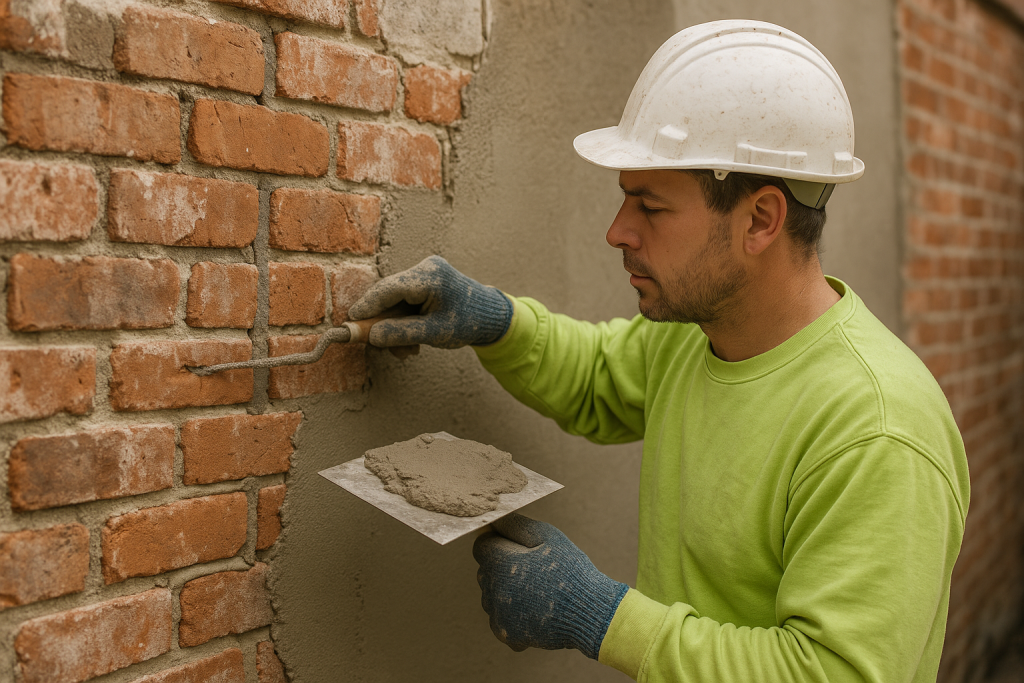
The most effective brick restoration projects combine both tuckpointing and rendering. First, damaged mortar is replaced through tuckpointing or repointing. Next, patch render or full rendering is applied to seal and beautify the surface.

Benefits of Combined Restoration:

  • Structural integrity is restored before the cosmetic layer is applied.
  • Prevents small issues from escalating into costly damage.
  • Offers long-term protection with visual transformation.

This combination is especially beneficial for masonry restorations and renovations involving heritage or coastal properties exposed to harsh environmental conditions.

Don’t Forget the Finishing Touch: Paint Removal from Bricks

Bricks covered in paint lose their natural texture and breathability. Over time, painted bricks can peel, trap moisture, and deteriorate faster.

Why You Should Remove Paint from Bricks:

  • Restore Natural Look: Unpainted bricks have a classic, rustic appeal.
  • Improved Breathability: Allows the masonry to ‘breathe,’ reducing moisture retention.
  • Better Adhesion for New Renders: Clean bricks provide a solid base for rendering or mortar.

Professional paint removal from bricks ensures safe stripping of layers without damaging the original brick surface—particularly important for older or heritage structures.

Why Hire Experienced Brick & Tile Specialists?

Attempting DIY brick restoration often leads to patchy results or further damage. Trained professionals ensure every detail—from tuckpointing to patch rendering—is completed with precision.

What Professionals Offer:

  • Detailed Assessments: Identifying underlying issues before they worsen.
  • Quality Materials: Matching mortar and render to existing structures.
  • Time-Efficient Service: Projects are completed faster and with minimal disruption.
  • Long-Term Warranty: Many specialists offer warranties for peace of mind.

When selecting a provider, look for teams who offer Tuckpointing & Repointing Services, Paint Removal from Bricks, and Masonry Restorations and Renovations all under one roof.

Signs You Need Brick Restoration Now

Still unsure if you need these services? Look for these red flags:

  • Cracks between bricks or crumbling mortar
  • Discolouration or flaking paint
  • Damp patches inside or outside your property
  • Uneven or sagging walls
  • Visible gaps where bricks have shifted

Early intervention with patch renders, repointing, or paint removal can prevent major structural concerns.

Future-Proofing Your Property: Maintenance Tips

After investing in professional restoration, regular maintenance is key to longevity.

Quick Maintenance Checklist:

  • Inspect walls annually for cracks or flaking render.
  • Reapply sealant or protective coatings every few years.
  • Avoid painting over brick unless recommended by a specialist.
  • Schedule a tuckpointing inspection every 5–10 years.

Partnering with Experienced Brick & Tile Specialists ensures that your building remains both functional and visually striking for generations to come.

Final Thoughts: The Value of Comprehensive Brick Restoration

Tuckpointing and rendering are far more than cosmetic upgrades—they’re essential strategies for preserving your property’s structure, appeal, and value. Whether you’re restoring a heritage site or upgrading a modern home, combining Tuckpointing & Repointing Services, Patch Render, Paint Removal from Bricks, and Masonry Restorations and Renovations offers lasting benefits.

Choose trusted, Experienced Brick & Tile Specialists to do the job right the first time, and enjoy peace of mind knowing your property is in expert hands.

Need expert advice or a quote? Contact our team of qualified brick restoration professionals today and discover how our tailored tuckpointing and rendering solutions can breathe new life into your brickwork.

Swimming Pool Rendering Sydney

How Swimming Pool Rendering Enhances Pool Longevity and Aesthetics

A swimming pool is more than just a luxury feature — it’s an investment in lifestyle, relaxation, and property value. However, without proper maintenance and protective finishes, even the most beautiful pool can deteriorate over time. That’s where Swimming Pool Rendering comes into play.

Whether you’re building a new pool or renovating an existing one, Swimming Pool Rendering in Sydney offers an effective solution to extend the lifespan of your pool while elevating its aesthetic appeal. In this guide, we’ll explore the benefits, techniques, and long-term value of investing in professional rendering services.

What is Swimming Pool Rendering?

Swimming Pool Rendering refers to the process of applying a mixture of cement, sand, and other additives to the pool’s interior surfaces. This coating forms a smooth, durable layer that protects the pool structure from water penetration, chemical damage, and surface wear. In Sydney, where pools endure fluctuating weather and constant exposure to UV rays, quality rendering plays a crucial role in protecting your investment.

Why Choose Swimming Pool Rendering in Sydney?

Sydney homeowners are no strangers to the challenges posed by coastal air, heat, and rainfall. Without adequate surface treatment, pool shells can develop cracks, leaks, and algae buildup. Swimming Pool Rendering Sydney experts offer tailored solutions that are designed to resist these environmental stressors while maintaining a visually appealing surface.

Key benefits include:

  • Protection against structural degradation
  • Resistance to water seepage and chemical erosion
  • Enhanced surface smoothness and safety
  • A fresh, modern look that complements your outdoor space

How Rendering Increases Pool Longevity

Waterproof Barrier

The primary function of pool rendering is to seal the concrete shell and prevent water from seeping into the underlying structure. Continuous exposure to chlorinated water and external moisture can compromise the integrity of your pool over time. A rendered surface acts as a waterproof barrier, helping to maintain the strength of the pool’s foundation.

Crack Resistance and Structural Integrity

Hairline cracks in concrete are a common issue, especially in older pools. If left untreated, these cracks can grow and cause significant damage. High-quality swimming pool rendering in Sydney often incorporates flexible materials that expand and contract with temperature changes, preventing cracks from spreading and protecting the underlying surface.

Chemical and UV Protection

Swimming pool water contains chemicals like chlorine, which can degrade untreated surfaces. Additionally, Sydney’s intense UV exposure can lead to discoloration and weakening of unprotected materials. Rendered surfaces are designed to be chemically resistant and UV-stable, which reduces maintenance needs and prolongs the lifespan of your pool.

Enhancing Aesthetics with Modern Pool Rendering

Beyond protection, swimming pool rendering significantly improves the look and feel of your pool. It allows for a clean, seamless finish that can be customized to match your property’s overall design.

Smooth and Luxurious Finish

Rough or aged pool surfaces can feel uncomfortable underfoot and detract from the overall pool experience. A freshly rendered pool offers a smooth, silky finish that not only looks high-end but also improves comfort and safety for swimmers.

Colour and Texture Options

Today’s Swimming Pool Rendering Sydney services offer a variety of colours, textures, and finishes, including polished, matte, or stone-like appearances. This customization lets homeowners match their pool to surrounding tiles, landscaping, or architectural themes, creating a cohesive outdoor space.

Compatibility with Tiling and Pebblecrete

Rendered surfaces serve as an ideal base for additional finishes like pool tiling or pebblecrete, offering flexibility in design. Whether you prefer a contemporary tiled pool or a more natural finish, rendering provides the necessary groundwork.

Types of Rendering Used for Swimming Pools

When selecting a rendering method, it’s important to choose the right material for durability and design. Popular rendering options for pools in Sydney include:

Cement Render

  • Durable and cost-effective
  • Requires sealing or top-coating
  • Often used in structural repairs

Acrylic Render

  • Flexible and UV-resistant
  • Dries faster than cement render
  • Perfect for decorative finishes and colour customisation

Polymer-Modified Render

  • Combines strength and flexibility
  • Resistant to cracking and ideal for coastal environments
  • Excellent adhesion to various surfaces

For most residential pools, acrylic and polymer-modified rendering are popular choices due to their resilience and aesthetic flexibility. Professional swimming pool rendering contractors in Sydney can advise on the best option based on your pool’s condition and your design preferences.

When Should You Consider Pool Rendering?

Not sure if your pool needs rendering? Here are some signs:

  • The surface is peeling, cracking, or flaking
  • The interior finish feels rough or uneven
  • Discolouration, staining, or algae buildup that’s hard to clean
  • You’re planning to tile or resurface the pool
  • You want to modernize your pool for aesthetic or real estate purposes

If any of these issues apply, it’s time to reach out to a Swimming Pool Rendering Sydney expert for an inspection and quote.

The Rendering Process: What to Expect

Professional pool rendering typically involves the following steps:

Inspection & Preparation: Existing surfaces are inspected and thoroughly cleaned. Damaged areas are repaired to ensure a solid base.

Surface Priming: A bonding agent is applied to promote adhesion.

Application of Render: Render mix is applied manually or sprayed on and smoothed out.

Curing & Finishing: The surface is allowed to cure properly, after which finishes like paint, tile, or pebblecrete may be added.

A professional team ensures the process is efficient, durable, and tailored to Sydney’s climate conditions.

Choosing the Right Swimming Pool Rendering Sydney Specialist

Not all rendering services are created equal. To protect your investment and achieve a flawless finish, it’s crucial to hire a reputable local provider.

Here’s what to look for:

  • Experience with swimming pools (not just general rendering)
  • Use of premium materials suited for aquatic environments
  • Local knowledge of Sydney’s climate and council requirements
  • Clear communication and transparent quoting
  • A portfolio of completed pool projects

Conclusion

Swimming Pool Rendering is more than just a surface treatment — it’s an investment in the longevity, safety, and beauty of your pool. For Sydney homeowners, choosing a reliable Swimming Pool Rendering Sydney expert ensure that your pool stands up to local weather conditions, looks stunning year-round, and remains a safe place for family fun.

Whether you’re upgrading your pool or planning a new installation, don’t underestimate the value that professional rendering brings. It’s the foundation for a pool that not only looks good — but lasts.

Need Expert Advice or a Quote?
Get in touch with a trusted Swimming Pool Rendering Sydney specialist today and give your pool the makeover it deserves.

Acrylic & Cement Rendering Sydney

Combining Acrylic and Cement Rendering for Unique Textured Walls

When it comes to transforming the look and feel of your property, Acrylic & Cement Rendering in Sydney offers homeowners and businesses versatile and durable options. Each type of rendering has its own strengths, but combining acrylic and cement renders can deliver uniquely textured walls that not only enhance aesthetic appeal but also boost your property’s value and protection.

In this blog, we explore how combining these two popular rendering techniques can create stunning textured walls, the benefits of each, and why Sydney property owners should consider this approach.

What Is Acrylic Rendering?

Acrylic rendering is a modern rendering technique that involves applying a polymer-based finish to walls. Unlike traditional cement rendering, acrylic render contains flexible acrylic resins that enhance its adhesion, elasticity, and waterproofing qualities.

Key Benefits of Acrylic Rendering:

  • Flexibility: Acrylic render resists cracking caused by structural movement or temperature changes.
  • Waterproofing: Provides excellent resistance to water penetration, ideal for Sydney’s varying weather.
  • Color Stability: Acrylic render retains its color well over time and comes in a wide range of shades.
  • Smooth or Textured Finishes: Can be applied with different textures, allowing creative wall designs.

What Is Cement Rendering?

Cement rendering is a classic and widely used method involving a mixture of cement, sand, and water applied to exterior or interior walls. It provides a solid, durable base layer that can be finished smooth or with textures.

Key Benefits of Cement Rendering:

  • Durability: Cement render forms a hard, protective layer resistant to impact and weather.
  • Breathability: Allows walls to breathe, reducing moisture build-up inside the structure.
  • Cost-Effective: Generally more affordable compared to acrylic rendering.
  • Versatile Textures: Can be applied in various finishes—from smooth to coarse textures—enhancing visual appeal.

Why Combine Acrylic & Cement Rendering?

Both acrylic and cement rendering have distinct advantages. By combining them, Sydney homeowners and builders can achieve:

Enhanced Texture and Visual Appeal

Applying a base layer of cement render and finishing with acrylic render opens up creative possibilities for unique wall textures. Cement render provides a rugged, tactile surface, while acrylic overlay adds vibrant color and refined texture effects. This layered approach gives walls a dynamic, multi-dimensional look that stands out.

Superior Weather Resistance

Cement render offers strong structural integrity but can be prone to cracking over time. Acrylic render’s elasticity seals these cracks and protects walls from water damage. The combination ensures walls remain robust and weatherproof—critical for Sydney’s coastal climate.

Improved Longevity and Low Maintenance

The cement layer provides a tough, impact-resistant base, while the acrylic finish resists fading, mould, and mildew. This reduces the need for frequent repairs or repainting, saving homeowners money in the long run.

Flexibility in Design

Sydney’s architectural styles vary from traditional to contemporary. Combining these renders lets property owners tailor textures and colors to match any design vision. Whether you want a rustic, textured facade or a sleek, modern finish, this combo delivers.

How Is the Combination Applied?

The process of combining acrylic and cement rendering typically follows these steps:

Step 1: Surface Preparation

The wall surface is cleaned, repaired, and primed to ensure proper adhesion. Any loose paint or debris is removed.

Step 2: Cement Render Base

A cement render layer is applied as the foundational coat. This layer may be textured or smooth, depending on the desired final effect.

Step 3: Acrylic Render Finish

Once the cement layer is cured, an acrylic render finish is applied. This layer adds color, texture, and weatherproofing. Acrylic finishes can be customized with trowel, brush, or roller techniques for different looks.

Step 4: Sealing and Protection

A protective sealant may be applied over the acrylic finish for additional durability and to maintain color vibrancy.

Commercial Benefits for Sydney Property Owners

Choosing the combination of acrylic and cement rendering offers several commercial advantages:

Increased Property Value

Textured, well-maintained walls create a strong first impression. This finishing technique can significantly boost the curb appeal and market value of residential and commercial properties.

Long-Term Cost Efficiency

While the initial cost may be higher than single-type rendering, the durability and low maintenance reduce ongoing expenses, making it a smart investment.

Versatility for Different Property Types

From modern Sydney apartments to heritage homes and commercial buildings, this rendering approach is adaptable to various wall substrates and architectural styles.

Protection Against Sydney’s Climate

The coastal environment with high humidity, salty air, and intense sun demands weather-resistant solutions. The acrylic and cement combo delivers superior protection and longevity.

Why Choose Professional Acrylic & Cement Rendering Services in Sydney?

To get the best results, it’s essential to hire experienced renderers who understand Sydney’s unique environmental conditions and building regulations. Professional contractors offer:

  • Expert advice on the right render mix and finish
  • Quality workmanship ensuring long-lasting adhesion and texture
  • Access to premium materials suited for Sydney’s climate
  • Efficient project management minimizing disruption

Conclusion: Elevate Your Walls with Acrylic & Cement Rendering in Sydney

If you’re considering a wall makeover that’s both visually stunning and highly durable, combining acrylic and cement rendering is an excellent choice. This hybrid method offers unique textured finishes, enhanced weather resistance, and cost-effective longevity — all crucial factors for Sydney properties.

Looking for expert Acrylic & Cement Rendering in Sydney? Contact trusted local professionals to discuss your project today. Transform your walls into a statement of style and strength that lasts for years.

Related Reads:

Bricks Paint Removal

Why Removing Paint from Brick Can Boost Your Property’s Value

If you own a property with painted brick walls, you might be overlooking a valuable way to enhance your home’s curb appeal and increase its market value: removing paint from bricks. While painted bricks can initially seem stylish or protective, over time, they can cause issues that lower your property’s overall appeal and value. In this blog, we explore why bricks paint removal is a smart investment, how it benefits your home, and what to consider when undertaking this process.

The Hidden Costs of Painted Bricks

At first glance, painted bricks might look fresh and modern. However, brick is a natural, porous material that needs to breathe. When bricks are painted, the paint forms a layer that traps moisture inside. Over time, this trapped moisture can lead to damage such as:

  • Peeling and flaking paint
  • Brick deterioration and crumbling mortar
  • Increased risk of mold and mildew

These problems can diminish your home’s structural integrity and make it less appealing to potential buyers.

Why Consider Bricks Paint Removal?

Removing paint from bricks is more than just a cosmetic change — it’s an investment in your property’s long-term value. Here’s why:

Restore Original Beauty and Authenticity

Exposed brick naturally offers a timeless, elegant appearance that many homebuyers and renters find highly desirable. The warm tones and textures of clean, natural brick create a welcoming façade that painted bricks can’t replicate.

Bricks paint removal restores this authentic look, enhancing the architectural character and charm of your home.

Increase Curb Appeal and Marketability

First impressions matter — especially when selling a property. Natural brickwork can significantly improve your home’s curb appeal, making it stand out in a competitive real estate market.

Potential buyers often prefer homes with well-maintained, original brick exteriors. Removing paint from bricks can transform your property, boosting its attractiveness and potentially increasing offers.

Prevent Further Damage and Save on Repairs

As mentioned, paint on bricks traps moisture. Over time, this can lead to:

  • Efflorescence (white salt deposits)
  • Spalling bricks (flaking or crumbling)
  • Mortar joint decay

By investing in professional bricks paint removal, you help prevent these issues, potentially saving thousands in costly repairs down the road.

Improve Property Longevity

Brick is known for its durability and longevity. However, painted bricks that don’t breathe properly can degrade faster. Removing paint restores the brick’s natural ability to manage moisture, extending the lifespan of your exterior walls.

How Does Bricks Paint Removal Work?

Removing paint from bricks is a specialized process that requires the right tools, expertise, and materials. Here are the common methods used:

Chemical Paint Stripping

This involves applying a paint remover designed to break down the paint without harming the brick underneath. After the paint softens, it is carefully scraped or washed away.

Pressure Washing

High-pressure water jets can help remove loose paint. However, this method requires professional handling to avoid damaging the brick surface or mortar.

Soda Blasting or Abrasive Blasting

These are gentle abrasive techniques using baking soda or other media to strip paint without harsh chemicals or heavy pressure.

Important: DIY paint removal can damage bricks and mortar, so always hire experienced professionals specializing in bricks paint removal.

When Should You Remove Paint from Bricks?

You might consider bricks paint removal if you notice:

  • Peeling or chipping paint exposing bricks inconsistently
  • Mold or mildew growth on brick surfaces
  • Visible brick or mortar deterioration
  • Desire to sell your property and boost its market appeal
  • Preference for a more natural, timeless brick aesthetic

Benefits of Professional Bricks Paint Removal Services

Hiring experts offers many advantages:

  • Proper assessment: Experts evaluate your brick condition and recommend the best removal method.
  • Safe removal: They avoid damage to brick and mortar.
  • Efficient work: Fast and thorough paint removal with minimal mess.
  • Surface preparation: Proper cleaning and restoration for repainting or sealing if needed.
  • Compliance: Safe handling of chemicals and disposal of waste.

What to Expect After Paint Removal?

Once paint is removed, your bricks will have a fresh, natural look, but they might also need:

  • Cleaning: To remove residual paint and prepare the surface.
  • Sealing: To protect the brick from weather and stains while allowing it to breathe.
  • Repairs: Addressing any damage revealed after paint removal.

These steps ensure your brickwork remains beautiful and durable for years to come.

How Bricks Paint Removal Boosts Property Value — Real Estate Perspective

  • Higher resale price: Homes with natural brick exteriors tend to command higher prices.
  • Faster sales: Increased curb appeal attracts more potential buyers.
  • Improved inspection reports: Well-maintained brick exteriors reduce red flags during property inspections.
  • Better neighborhood fit: Natural bricks blend well with traditional and modern neighborhoods, appealing to a broader buyer pool.

Cost Considerations for Bricks Paint Removal

Costs vary depending on:

  • Size of the area
  • Type of paint and number of layers
  • Condition of bricks and mortar
  • Removal method chosen
  • Additional repairs or sealing required

While the initial investment may seem significant, the long-term gains in property value and reduced maintenance costs often outweigh the expense.

How to Choose the Right Bricks Paint Removal Service

When selecting a contractor, consider:

  • Experience and specialization in brick paint removal
  • Use of safe, effective methods
  • Customer reviews and references
  • Transparent pricing and clear project timelines
  • Professional certification and insurance

Conclusion: Invest in Bricks Paint Removal for Long-Term Property Value

Removing paint from brick surfaces isn’t just about aesthetics — it’s a strategic move that can protect your home, increase curb appeal, and boost your property’s market value. By restoring the natural beauty of your brick exterior, you create a timeless look that buyers appreciate and preserve the structural integrity of your walls.

If you’re considering bricks paint removal, partnering with a professional service ensures the job is done safely, effectively, and with care for your home’s unique needs. Don’t let peeling paint or trapped moisture reduce your property’s worth—invest in bricks paint removal and watch your home’s value rise.

Related Services You Might Explore:

If you want expert advice or a free quote for bricks paint removal, contact us today. Our experienced team is ready to help you restore your property’s natural charm and value!

Difference Between Tuckpointing and Repointing

What is the Difference Between Tuckpointing and Repointing?

If you’ve ever found yourself staring at your brick wall wondering whether it needs tuckpointing or repointing, you’re not alone. It’s like trying to figure out whether you need a mechanic or a magician when your car makes that mysterious rattling sound. But fear not! We’re here to demystify these two masonry techniques that sound like they belong in a medieval construction manual but are actually essential services for modern homeowners.

The Great Mortar Mystery: Setting the Stage

Before we dive into the nitty-gritty details of tuckpointing vs. repointing, let’s establish some groundwork. Both techniques involve working with mortar – that cement-like substance that holds your bricks together like a very patient referee in a brick fight. Over time, this mortar can deteriorate due to weather, age, and general life happening to your walls.

When searching for “tuckpointing near me” or “chimney tuckpointing near me,” you’re essentially looking for someone who can give your masonry a much-needed spa day. But knowing which service you need is crucial for both your wallet and your wall’s wellbeing.

Repointing: The Straightforward Approach

Let’s start with repointing, the more straightforward of the two techniques. Think of repointing as giving your brickwork a fresh haircut – you’re removing the old, weathered mortar and replacing it with new material.

The Repointing Process

Repointing involves carefully removing deteriorated mortar from the joints between bricks and replacing it with new mortar that matches the original in composition, color, and texture. It’s like performing surgery on your wall, but with less drama and more dust.

The process typically involves:

  • Removing old, damaged mortar to a depth of about 15-20mm
  • Cleaning out debris and loose material
  • Preparing and applying new mortar
  • Tooling the joints for a proper finish
  • Allowing proper curing time

When Your Wall Needs Repointing

Your masonry is probably crying out for repointing when:

  • Mortar joints are cracked or crumbling
  • You can easily scrape mortar out with a coin (though we don’t recommend using your lucky penny)
  • Weather is getting into your walls through gaps
  • The mortar has become softer than the bricks themselves

The cost for tuckpointing and repointing varies depending on the extent of the work, but repointing is generally the more economical option since it’s primarily about restoration rather than decoration.

Tuckpointing: The Artistic Approach

Now, let’s talk about tuckpointing – the showoff of the masonry world. If repointing is like getting a sensible haircut, tuckpointing is like getting a haircut that makes you look like you stepped out of a magazine cover.

The Tuckpointing Definition and Process

Tuckpointing is a specialized technique that involves applying mortar in two contrasting colors to create the illusion of very fine, precise joints. The process creates a decorative effect that makes your brickwork look like it was built by perfectionist elves with an eye for detail.

Here’s how the magic happens:

  • First, mortar matching the brick color is applied to fill the joints
  • Then, a thin line of contrasting mortar (usually white or light-colored) is applied on top
  • This creates the illusion of very fine, perfectly straight joints
  • The result is brickwork that looks crisp, clean, and professionally finished

The History Behind the Technique

Tuckpointing has quite the pedigree – it was developed in England during the late 18th century when builders wanted to make cheaper, irregular bricks look like expensive, perfectly uniform ones. It’s basically the original “fake it till you make it” approach to construction, and honestly, we respect the ingenuity.

When to Choose Tuckpointing

You might want to consider tuckpointing when:

  • You want to enhance the appearance of your brickwork
  • Your building has historical significance
  • You’re dealing with irregular or mismatched bricks
  • You want to increase your property’s curb appeal (and maybe make your neighbors a little jealous)

Key Differences: Side by Side

Let’s break down the main differences between these two techniques:

Purpose and Goals

  • Repointing: Primarily functional – repairs and restores structural integrity
  • Tuckpointing: Combines function with aesthetics – repairs while enhancing appearance

Complexity and Skill Required

  • Repointing: Requires skilled craftsmanship but follows standard procedures
  • Tuckpointing: Demands master-level expertise and artistic precision

Cost Considerations

When researching “tuckpointing brick cost” or “tuckpointing price,” you’ll find that tuckpointing typically costs more than repointing due to the additional labor and skill involved. However, the investment often pays off in enhanced property value and stunning visual appeal.

Time Investment

  • Repointing: Generally faster to complete
  • Tuckpointing: Takes longer due to the detailed two-step process

Geographic Considerations: Newcastle and Beyond

If you’re searching for “tuckpointing Newcastle” or “Newcastle tuckpointing” services, you’re dealing with a climate that can be particularly challenging for masonry. The coastal conditions, temperature variations, and occasional weather extremes in the Newcastle area mean that both techniques need to be performed with materials and methods suited to local conditions.

Local expertise matters significantly when it comes to understanding how different weather patterns affect mortar longevity and performance. A master tuckpointing professional in the Newcastle area will understand these nuances and recommend the most appropriate approach for your specific situation.

Making the Right Choice for Your Property

Choosing between tuckpointing and repointing depends on several factors:

Budget Considerations

If you’re working with a tight budget, repointing might be the more practical choice. However, if you view your masonry work as an investment in your property’s value and appearance, tuckpointing could provide better long-term returns.

Building Type and Age

Historic buildings often benefit from tuckpointing because it can restore their original grandeur while providing necessary repairs. Modern buildings might be perfectly well-served by quality repointing.

Personal Preferences

Some homeowners prefer the clean, understated look of well-executed repointing, while others love the crisp, defined appearance that tuckpointing provides.

The Professional Advantage

Whether you choose tuckpointing or repointing, working with experienced professionals is crucial. Both techniques require specific skills, proper tools, and quality materials. A botched DIY job can actually make your masonry problems worse – and trust us, explaining to your insurance company why your wall looks like it was repaired by enthusiastic amateurs is not a conversation you want to have.

Professional services also ensure that the work is done with appropriate materials that match your existing masonry and are suitable for your local climate conditions.

Beyond Basic Repairs: Complementary Services

While you’re considering masonry improvements, it’s worth noting that exterior maintenance often involves multiple aspects of your building’s envelope. For instance, if you’re investing in quality tuckpointing or repointing, you might also want to consider other protective measures for your exterior walls.

Professional Texture Coating Services can complement your masonry work by providing additional protection and aesthetic enhancement to other exterior surfaces. These services can help create a cohesive, well-maintained appearance across your entire building exterior.

Maintenance and Longevity

Both tuckpointing and repointing, when done properly, can last for decades. However, regular maintenance and inspection are key to maximizing their lifespan. Keep an eye out for signs of deterioration, and don’t wait until problems become severe before addressing them.

The Bottom Line

The difference between tuckpointing and repointing ultimately comes down to your goals, budget, and aesthetic preferences. Repointing is the practical choice for functional repairs, while tuckpointing offers the same repairs with an added layer of visual enhancement.

Both techniques require skilled professionals who understand the nuances of mortar work, local climate conditions, and proper application techniques. Whether you’re dealing with a historic building that deserves the full tuckpointing treatment or a modern structure that needs quality repointing, the key is choosing the right approach for your specific situation.

Remember, your brickwork is not just about appearance – it’s about protecting your investment and ensuring your building’s structural integrity for years to come. So whether you end up with the understated elegance of expert repointing or the crisp precision of master tuckpointing, you’re making a wise investment in your property’s future.

And if you’re still not sure which approach is right for your project, don’t hesitate to consult with local professionals who can assess your specific needs and provide personalized recommendations. After all, your walls deserve the best care possible – they’ve been holding up your world, quite literally, and it’s time to return the favor.


For expert tuckpointing and repointing services, contact Tuckpointing and Rendering. Our skilled professionals provide quality masonry services throughout the Newcastle area and beyond.

Call Now Button