
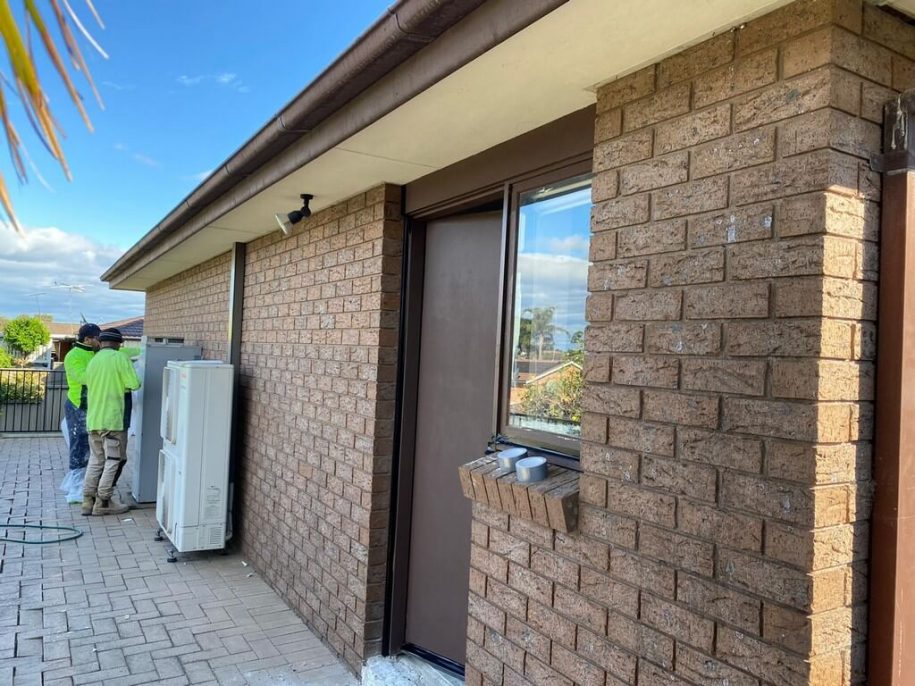
Let’s start with an uncomfortable truth: most Sydney homes are quietly falling apart, one crumbly mortar joint at a time, and nobody’s noticed because it happens slower than a Bunnings queue on a Saturday morning.
Salt air off the coast, humidity that never really leaves, sudden downpours after weeks of dry heat — Sydney’s climate is basically a personal vendetta against masonry. Add a few decades of sun-baked paint, tired render and dodgy DIY patch jobs and you’ve got a facade that’s ageing faster than it should. The good news? None of it is a lost cause. Brick repointing, masonry renovation, and a decent render refresh can turn a tired, cracking exterior into something you’re actually proud to park the car in front of.
This is your practical, no-jargon walkthrough of what’s actually involved in fixing up Sydney brick and render — written by people who’ve spent more hours up scaffolding than most of us spend at the gym. If you own a Federation terrace in the Inner West, a 1970s brick veneer in the Hills, or a beachside place that’s copped fifteen years of salt spray, there’s something in here for you.
Brick Repointing Sydney Homeowners Actually Need (Not Just Cosmetic Filler)
Repointing gets treated like it’s optional — a bit of grout here and there, sorted. It’s not. The mortar between your bricks is doing structural work, holding the whole wall together and keeping water out of places water should never be. When it starts crumbling, flaking, or you can poke it out with a house key (we’ve seen it happen), that’s not ageing gracefully — that’s your wall telling you it’s in trouble.
Proper brick repointing Sydney tradespeople recommend involves raking out the failed mortar to a decent depth (not just a surface skim), then repacking the joint with a colour-matched mix that moves with the building instead of fighting it. Get the colour match wrong and you’ll have a patchwork wall that looks worse than the cracks did. Get the depth wrong and you’ll be back here again in three years.
If your place is heritage-listed or from the Federation or Victorian era, this becomes even more of a skill game — you want joints and finishes that respect the original tuckpointing style, not a modern trowel job slapped over 100-year-old bricks. This is genuinely one of the more specialised corners of the trade, and it’s exactly what Sydney Tuckpointing & Rendering built its name on — matching old mortar profiles while quietly upgrading the mix so it actually survives our weather this time. For the full rundown on how the process works joint by joint, our tuckpointing and repointing service page breaks it down properly.
Masonry Renovation Services Sydney: When It’s Bigger Than a Patch Job
Sometimes a wall needs more than a repoint. Bowing brickwork, cracked lintels, rusting wall ties expanding and pushing bricks apart from the inside (a genuinely nasty problem that looks harmless until it isn’t), or whole sections of a facade that have simply given up — this is where masonry restoration and renovation comes in.
It’s part detective work, part trade skill. A good crew will figure out why the wall failed before touching a single brick — was it water getting behind the render, movement in the footings, old wall ties corroding, or just decades of neglect compounding on itself? Fix the symptom without fixing the cause and you’ll be paying for the same repair again in five years’ time, which is nobody’s idea of a good weekend.
Masonry renovation Sydney-wide covers everything from replacing individual damaged bricks and rebuilding sections of wall, to full facade rectification on strata buildings and heritage properties. It’s slower, more considered work than a quick patch — and it should be, because you’re dealing with the bones of the building. Our masonry restoration and renovation page has more detail on how a proper assessment and rebuild actually runs.
Brick Wall Repair Sydney: The Small Stuff That’s Actually Big Stuff
Not every job is a full restoration. Sometimes it’s a cracked brick from a stubborn tree root, a chunk knocked out by a reversing trailer (it happens more than you’d think), or spalling — where the face of the brick literally pops off because water got in and expanded. Brick wall repair and mortar repairs might sound minor, but leave a small crack unattended near Sydney’s coast and it becomes an entry point for salt-laden moisture that chews through mortar at an alarming rate.
The trick with brick and mortar repairs is matching — matching brick colour, matching mortar colour, matching the joint profile (there’s flush, raked, bucket handle, and a few others, and yes, it matters which one your house originally had). A mismatched repair sticks out like a fresh sock in an old drawer. Done properly, you shouldn’t be able to spot where the repair starts and ends. If you’ve got a section of wall that’s seen better days, our brickwork and mortar repairs page covers what’s involved in getting it invisible again.
Facade Paint Stripping Sydney: Freeing Your Bricks from a Bad Decision
Here’s a sentence that should be printed on a warning label: painting over face brick is basically permanent. Someone in the 1980s (or worse, more recently) thought a coat of paint would modernise the place. What it actually does is seal the brick, trap moisture inside, and set you up for spalling, mould, and a facade that needs repainting every few years forever, because bare brick never needed painting in the first place.
Brick paint removal is a genuinely technical job — get too aggressive with the wrong method (harsh chemicals, high-pressure blasting done badly) and you’ll damage the brick face itself, which is worse than leaving the paint on. Proper facade paint stripping Sydney specialists use graduated methods — the right combination of chemical stripping, gentler mechanical techniques, and patience — to lift the paint without eating into the brick underneath. It’s slow, deliberate work, and it’s oddly satisfying to watch a facade go from flat, painted and lifeless back to natural brick with all its texture and colour variation intact. Have a look at our bricks paint removal page if you’re wondering whether your place is a good candidate for stripping back to bare brick.
Faux Sandstone Finish Sydney: All the Grandeur, None of the Quarry Bill
Real sandstone is gorgeous. Real sandstone is also eye-wateringly expensive, heavy, and not exactly a weekend upgrade. Enter the sandstone imitation finish — a rendered and hand-textured surface that mimics the look, colour variation, and texture of natural sandstone blocks, at a fraction of the cost and weight.
Done well, a faux sandstone finish is genuinely hard to pick from the real thing at street level — the joint lines, the subtle colour banding, the slightly uneven surface texture all get replicated by hand. It’s popular on heritage-style renovations, entryways, fence walls and feature panels where people want that classic Sydney sandstone look without re-engineering the footings to hold actual stone. If that sounds like your kind of upgrade, our sandstone imitations page shows the process and finish options in more depth.
Acrylic Render Finish Sydney: The Modern Workhorse
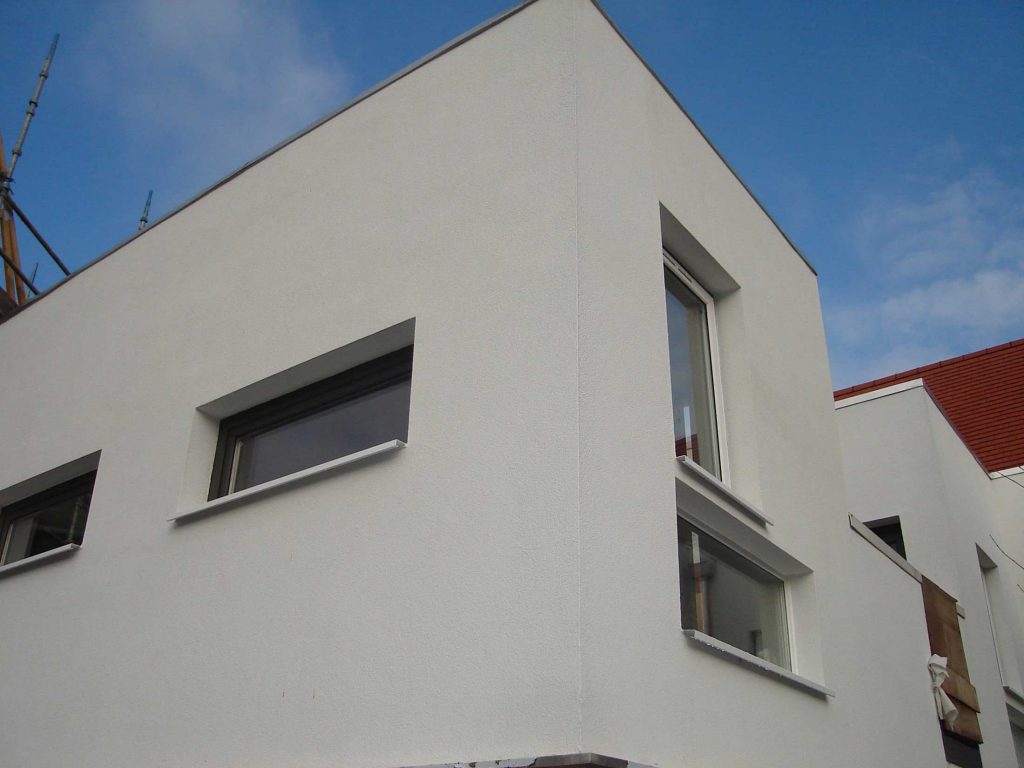
If cement render is the reliable old ute of the rendering world, acrylic render is the newer model with better suspension. It’s flexible, which matters enormously here — Sydney’s brick and fibre cement substrates expand and contract with our temperature swings, and a rigid render will crack under that movement while acrylic flexes with it. It also goes on faster, cures quicker, and takes a wider range of textured finishes than traditional cement render.
Acrylic rendering Sydney jobs typically involves prepping the substrate (whether that’s masonry, fibre cement, or an existing painted surface), applying a flexible acrylic base coat, then building up to whatever texture and colour finish you’re after. It’s a solid option for anyone wanting a crack-resistant, low-maintenance facade that isn’t going to need re-rendering every decade. Our acrylic cement rendering page goes deeper into how the systems built up, coat by coat.
Coloured Render Finishes Sydney: Rockcote and the Art of Not Repainting Ever Again
Here’s a genuine game-changer for anyone sick of repainting their house every five years: coloured render systems, like Rockcote’s, bake the colour into the render itself rather than sitting a paint film on top. The pigment goes right through the coating, so as it weathers, you don’t get patchy, peeling paint — you get a surface that fades evenly and keeps its structural colour for years longer than a standard paint job.
Rockcote colour rendering Sydney projects are popular for exactly this reason — homeowners want the street appeal of a fresh colour change without signing up for a repaint cycle for life. The finishes also tend to resist UV fade, mould growth (a genuine issue in Sydney’s damper suburbs) and general weathering better than paint alone. If a colour refresh is on your renovation list, check out our Rockcote colour page for the finish and shade options available.
Texture Render Sydney: Because Flat Walls Are a Missed Opportunity
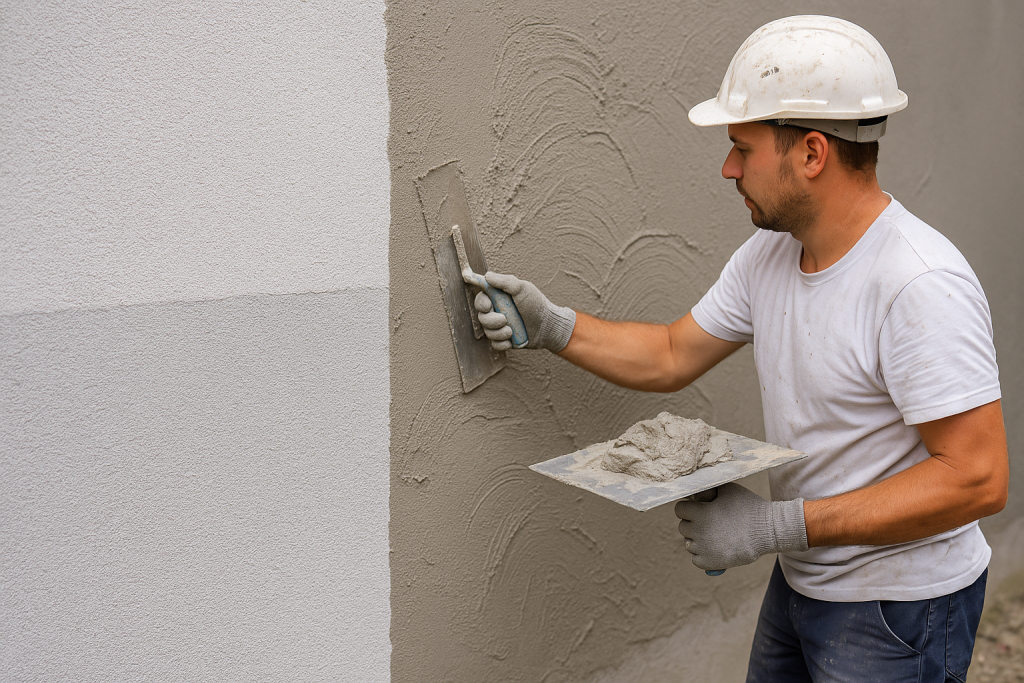
Texture coating is where render stops being purely functional and starts doing some actual design work. Coarse texture, fine texture, sponge finishes, trowel-on marble aggregate blends — there’s a genuinely wide range and the right one changes the whole personality of a facade. A heavily textured coarse finish reads as rugged and Mediterranean. A fine, smooth texture leans modern and minimalist. Same house, wildly different vibe, depending purely on the texture coat chosen.
Beyond looks, texture coating also earns its keep functionally — the extra surface profile helps hide minor substrate imperfections (handy if the wall underneath isn’t perfectly flat) and adds another layer of weather resistance. Texture render Sydney applications work well over acrylic base coats, cement render, or even fibre cement sheeting, which makes it a flexible finishing option across pretty much any renovation. Our texture coating page has examples of the different textures if you’re trying to picture how each one would sit on your place.
Blueboard Installation Sydney: The Unsung Hero behind a Lot of Great Renders
Blueboard (and foam cladding systems more broadly) don’t get much glory, but they’re doing a lot of quiet, important work. Blueboard is a fibre-cement sheet designed specifically as a render substrate — it gives render something stable, water-resistant and consistent to grip onto, which matters a lot on new extensions, renovations, or anywhere you’re building out a wall rather than rendering over existing brick.
Foam cladding systems take a similar idea further, offering lightweight insulated panels that can be rendered over — useful for extensions where you don’t want the extra structural load of full masonry, or where you want a bit of extra thermal performance in the wall build-up (genuinely handy in both Sydney’s humid summers and its surprisingly cold winter mornings). Blueboard installation Sydney builders and renovators rely on this as a foundation step before any render or texture coat goes on top — get this stage wrong and everything applied afterward is compromised. Our blueboard and foam cladding page covers where each system suits different build types.
Pool Surface Rendering Sydney: Because Chlorine Doesn’t Play Nice With Cheap Finishes
Pool rendering is its own beast entirely — you’re not just dealing with weather, you’re dealing with constant water exposure, chemical treatment, UV bombardment off the water’s surface, and a surface that people are going to be walking on, sitting on and occasionally belly-flopping into. It needs to be smooth enough to be comfortable, textured enough to not turn into a skating rink, and tough enough to handle years of pool chemistry without pitting, discolouring or crumbling at the waterline.
Swimming pool rendering Sydney specialists uses purpose-built render systems designed specifically for wet, chemically active environments — very different from a standard facade render mix. Get it wrong and you’re looking at premature cracking, staining, or a rough surface that’s uncomfortable underfoot within a couple of summers. If your pool’s looking tired, patchy or is due for a full resurface, our swimming pool rendering page explains what a proper pool-grade render job involves.
So, Which One Does Your House Actually Need?
Honestly? Probably a combination. Most Sydney renovations we see aren’t a single, isolated fix — they’re a bit of repointing here, a repair there, maybe a full render refresh, topped off with a colour or texture finish to tie it all together. The trick is getting someone to look at the whole picture rather than just quoting on the one thing you asked about, because half the time the real problem is one step removed from where the crack is showing.
If you’re not sure where to start, that’s a completely normal place to be — most people aren’t across the difference between tuckpointing and full repointing, or why their render keeps cracking in the same spot every year. Have a browse of our blog for more deep-dives into specific problems, or just get in touch via our contact page and describe what’s going on — a quick chat (or a few photos) is usually enough to point you in the right direction.
FAQs
How do I know if my house needs repointing or a full masonry restoration? If it’s isolated to a few joints where mortar has crumbled or fallen out, that’s typically a repointing job. If you’re seeing bowing walls, multiple cracked bricks, rusting wall ties pushing brickwork apart, or damage across large sections of the facade, you’re likely into masonry restoration territory. When in doubt, get it looked at — the difference in scope (and cost) is significant.
Is it worth stripping paint off brick, or should I just repaint? If the brick underneath is in reasonable condition, stripping is usually worth it long-term — you stop the endless repaint cycle and let the brick breathe properly again, which reduces moisture problems. If the brick face itself is badly damaged under the paint, render or a fresh paint coat might be the more sensible call.
What’s the actual difference between cement render and acrylic render? Cement render is the traditional, rigid option — durable but prone to cracking with building movement. Acrylic render is flexible, adheres to a wider range of substrates (including fibre cement and previously painted surfaces), and generally handles Sydney’s temperature swings better with less cracking over time.
Can you match new mortar or render to an old heritage property? Yes, and it’s genuinely one of the more specialised parts of the trade — matching mortar colour, joint profile and render texture to a heritage original takes experience, not just a colour chart. It’s exactly the kind of job worth getting a specialist in for rather than a general painter.
How often does pool render need to be redone? It varies a lot based on chemical balance, usage and the original render quality, but a well-applied, pool-specific render system should comfortably outlast a generic mix by several years. Chalky texture, visible pitting or staining around the waterline are the usual signs it’s time to look at a resurface.
Call us on 0452 522 232 for a free quote, or explore more masonry guides and tips on our blog.
Your walls have been patient long enough. Let’s give them the help they deserve.