
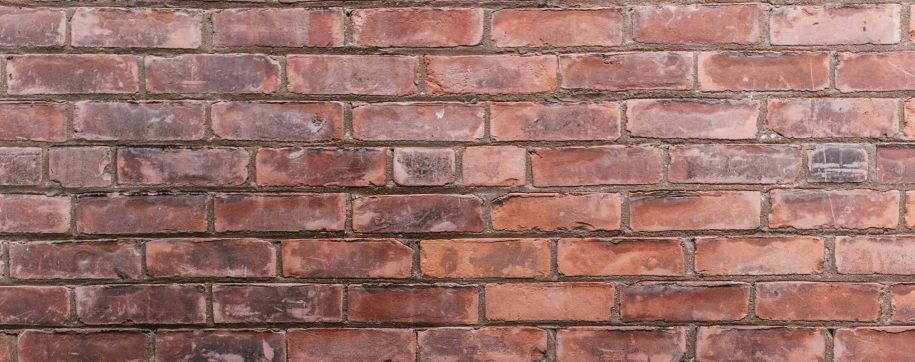
Your Brickwork Called. It Wants an Intervention.
There’s a particular kind of Sydney sadness that only a homeowner understands: standing on your own front lawn, coffee in hand, looking at a facade that used to be handsome and is now doing its best impression of a biscuit that’s been left out in the rain. Mortar crumbling out of the joints like stale cake. A render job from 2004 that’s cracked into a relief map of Tasmania. And somewhere under three coats of “it seemed like a good idea at the time” paint, actual bricks that just want to breathe again.
You are not alone, and more importantly, you’re not stuck with it.
We’re Sydney Tuckpointing & Rendering, and we’ve built our whole trade around one thing: taking tired, cracked, painted-over, or just plain unloved brick and masonry and turning it back into the reason people slow down when they walk past your place. Not with shortcuts. Not with a tub of filler and a prayer. With the actual trade skills this kind of work demands — because brickwork is basically the skeleton of your house, and skeletons deserve better than a Band-Aid.
This is the guide we wish more homeowners read before their mortar started falling out onto the garden bed.
Why Sydney Brick Cops Such a Beating
Sydney’s climate is gorgeous for barbecues and genuinely hostile for masonry. Harsh UV bakes mortar and render until it’s brittle. Salt-laden coastal air eats into lime and cement. Sudden downpours flood into hairline cracks. Clay-heavy soils shift just enough over the decades to stress brick joints. Add in a city full of Federation and inter-war housing stock — gorgeous bones, ageing mortar — and you’ve got a place where facade problems are less “if” and more “when.”
The good news: almost none of it is unfixable. The bad news: it’s rarely a one-size-fits-all job, which is exactly why “how do I sort my brickwork out” ends up being a genuinely complicated question with about eleven different right answers depending on what’s actually gone wrong.
First Things First: Tuckpointing vs. Repointing
Half the tuckpointing enquiries we field are actually repointing jobs in disguise, so let’s clear it up.
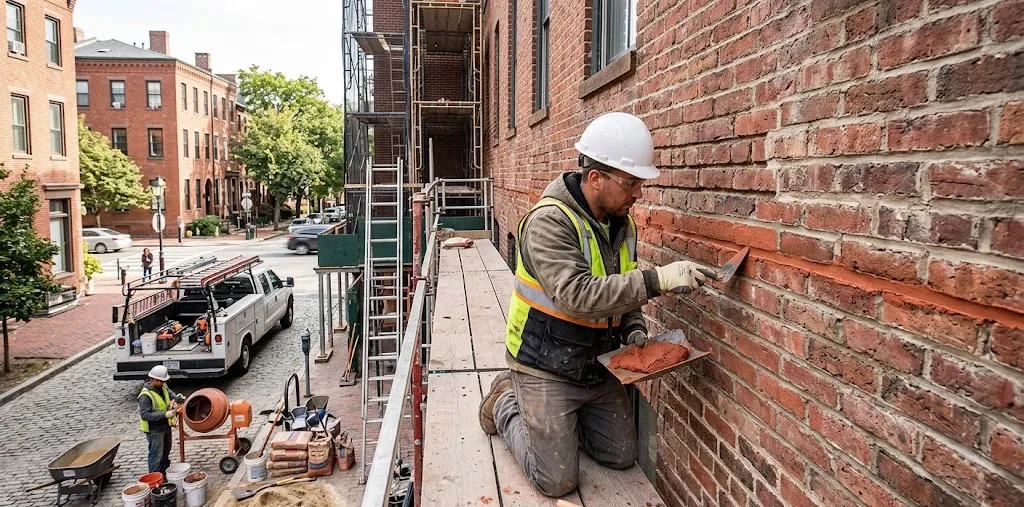
Repointing is straightforward mortar replacement — the old, crumbly stuff between your bricks gets raked out and replaced with fresh mortar colour-matched to your brick. It’s the workhorse fix for genuine deterioration.
Tuckpointing is the fancier cousin. It’s a two-step, heritage-grade technique where mortar is coloured to match the brick, then a fine raised line (usually white or black) is run through the centre to create the illusion of perfectly uniform, razor-straight joints — a look originally invented to make lower-quality bricks look like premium ones. It’s stunning on Federation homes, and it’s why so many North Shore and Eastern Suburbs facades look almost architecturally drawn rather than bricklaid.
Both jobs matter for the same reason: once mortar joints fail, water gets behind the brick face, and that’s when small cosmetic problems turn into structural ones. Our tuckpointing and repointing team covers both, and part of the first visit is genuinely just working out which one your house needs — spoiler: it’s not always the fancier, pricier option.
What Does It Actually Cost?
Nobody wants to read 2,000 words and still not have a ballpark figure, so here’s the honest range based on typical Sydney jobs in 2026:
- Repointing and tuckpointing: roughly $90–$150 per square metre, depending on access, colour-matching complexity, and how far gone the existing joints are
- Cement render: around $30–$60/sqm — cheapest option, but needs painting afterwards
- Acrylic render: roughly $45–$70/sqm — pricier upfront but pre-coloured, flexible, and far more crack-resistant
- Texture coating: about $45–$80/sqm, and it skips the separate paint job entirely
- Removing old render or paint before starting fresh: add another $15–$40/sqm
- Scaffolding for double-storey work: budget an extra $1,500–$5,000
A full single-storey exterior generally lands somewhere between $6,000 and $14,000 depending on the finish, and double-storey homes climb from there thanks to scaffolding and access. The thing that blows a “cheap” quote out isn’t usually the render itself — it’s whatever was hiding under the old paint or render that nobody budgeted for. Which brings us to the next bit.
The Sneaky Culprit: What’s Actually Under There?
You can’t fix what you can’t see, and this is where a lot of DIY attempts — and, frankly, some cheaper contractors — come unstuck.
Cracked brick and structural movement. Hairline cracks are often cosmetic. Stepped cracks that zigzag along the mortar joints can point to movement in the footings or a tired lintel. Either way, patching over a crack without understanding why it happened is how you end up paying for the same repair twice. Our brickwork and mortar repair specialists assess the cause before a trowel gets anywhere near the wall.
Full masonry restoration. For heritage homes, older commercial buildings, or brick that’s had a genuinely rough life, sometimes the whole facade needs a proper going-over — brick ties replaced, structural cracks stitched, spalled bricks cut out and replaced, the works. That’s a different beast to a quick patch job, and it’s exactly what our masonry restoration and renovation service is built for.
Painted brick that wants its freedom back. Someone, at some point, painted over beautiful face brick, and now you’re wondering if you’re allowed to undo it. You are. Removing paint from brick without wrecking the brick face underneath is a genuine skill — get too aggressive with the chemicals or the pressure washer and you’ll strip the surface right off the brick, which is a one-way trip. Done properly, our brick paint removal specialists get you back to natural brick without turning your wall into gravel.
The Render and Finish Side of Things
Not every home wants exposed brick, and that’s a completely legitimate call too.
Faux sandstone finishes. Want the warm, textured look of sandstone without the astronomical cost or ongoing maintenance of the real thing? A well-applied imitation finish gives you that heritage, old-money street appeal for a fraction of the price, and it holds up brilliantly against Sydney weather when it’s installed right. Our sandstone imitation finishes are worth a look if that’s the direction you’re leaning.
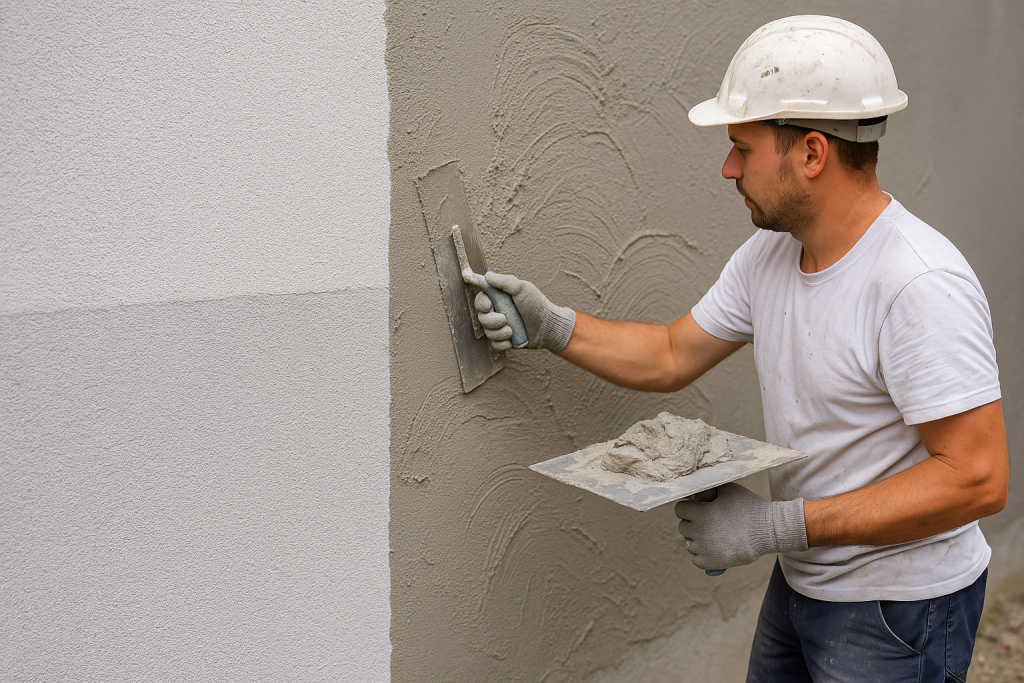
Acrylic and cement rendering. This is the classic modern-home transformation — a tired, dated brick facade goes under fresh render and suddenly looks like a completely different, and considerably more valuable, property. Acrylic is the pick if you want crack resistance and colour that doesn’t need repainting down the track; cement is the budget play if you’re happy to paint afterwards. Our acrylic and cement rendering crew will talk you through which one suits your wall, your budget, and your patience for future maintenance.
Rockcote colour rendering. If you want a coloured, textured, weatherproof finish genuinely designed for the Australian climate — not just imported and hoped for the best — Rockcote systems are hard to beat, and they come in a colour range that doesn’t scream “project home.” We run Rockcote colour rendering across residential and strata jobs alike.
Texture coating. For walls that need a bit more visual interest, or need to hide surface imperfections a flat render would show up, texture coating adds grip, depth, and weather resistance in one hit. Have a browse of our texture coating options if “flat and boring” isn’t quite the vibe you’re after.
Modern cladding solutions. Blueboard and foam cladding systems have become the go-to for renovators chasing a sleek, contemporary look with genuinely good thermal performance — particularly popular on extensions and new builds where a rendered finish over lightweight cladding gets you the modern aesthetic without the weight or cost of full masonry. Our cladding solutions cover exactly this.
Pool area rendering. Pool surrounds cop an absolute hiding from chlorine, sun, and general Sydney-summer chaos, so they need a finish that’s actually built for it, not just a standard wall render slapped on and hoped for the best. Our pool area rendering service is designed specifically around that kind of punishment.
Call us on 0452 522 232 for a free quote, or explore more masonry guides and tips on our blog.
Your walls have been patient long enough. Let’s give them the help they deserve.
How We Actually Do the Work (No Mystery, No Smoke and Mirrors)
- Inspection and honest assessment. We look at what’s actually going on, not just the crack you called us about, but what’s causing it.
- Prep, prep, and more prep. Raking out old mortar, removing failed render or paint, treating damp if it’s present. This is the unglamorous 60% of the job that decides whether the finished result lasts 15 years or 15 months.
- The actual craft. Colour-matched mortar, correctly mixed render systems, proper coat thickness and cure times — none of which can be rushed without it showing up as cracking six months later.
- The finish. Whether that’s a tuckpointed line so straight it looks laser-cut, a smooth acrylic render, or a textured Rockcote coat, this is where the transformation actually becomes visible.
- Clean-up and a walkthrough. We don’t vanish the second the last coat goes on — you get to see it, ask questions, and know exactly what maintenance, if any, is needed going forward.
Why Bother? (The Bit Where We Justify the Spend)
Beyond the obvious “it’ll look nice” argument, which is a completely valid reason on its own, proper tuckpointing and rendering does three practical things:
- It stops water getting in. Failed mortar and cracked render are basically an open invitation for moisture, and moisture is how small problems become expensive ones — rising damp, timber rot, the lot.
- It protects your biggest asset. A well-maintained or freshly rendered facade genuinely lifts kerb appeal and resale value. Real estate agents aren’t just being nice when they mention it.
- It’s cheaper than the alternative. Fixing mortar joints or render cracks now is dramatically less expensive than dealing with structural repairs or full masonry restoration later.
FAQs (The Questions We Get Asked on Every Second Job)
How long does tuckpointing or rendering actually last? Done properly, quality tuckpointing and repointing can last 20–50 years. Acrylic renders and texture coatings typically hold up for 15–20 years before needing attention, with proper care extending that further.
Can I just paint over cracked render instead of fixing it? You can, and you’ll be back here again within a year or two. Paint doesn’t fix movement or failed adhesion underneath, it just hides it temporarily.
Do I need council approval for rendering or tuckpointing? For most standard residential facade work, no. Heritage-listed properties or significant structural changes can require approval, and we’ll flag that during the initial inspection if it applies to your place.
Is tuckpointing more expensive than repointing? Yes, generally. It’s a two-step process requiring more skill and time, so it commands a higher price than standard repointing. Worth it if you want that heritage, architecturally uniform look.
What’s the difference between texture coating and rendering? Rendering is the base coat system applied to the wall itself; texture coating is often the finish layer over render, or directly over a suitable substrate, that adds grip, pattern, and weather resistance.
How do I know if my brick needs paint removal or a full re-render? If the underlying brick is in good condition and you like the exposed-brick look, paint removal is usually the answer. If the brick is damaged, patchy, or you want a completely different finish, rendering over it is often the smarter call.
Right, What Now?
If your facade is currently the neighbourhood’s most talked-about eyesore — in a bad way, not the “ooh I love that heritage charm” way — it doesn’t need to stay that way. Whether it’s a quick repoint, a full masonry restoration, a fresh Rockcote colour render, or finally freeing your brick from decades of paint, there’s a fix that suits your house and your budget.
Have a browse of our other project write-ups and guides for more before-and-afters, or if you’re ready to stop staring sadly at your own wall, get in touch through our contact page for a free, no-obligation inspection and quote. We’ll tell you exactly what’s going on, what it’ll cost, and — refreshingly — what you don’t actually need to spend money on.