
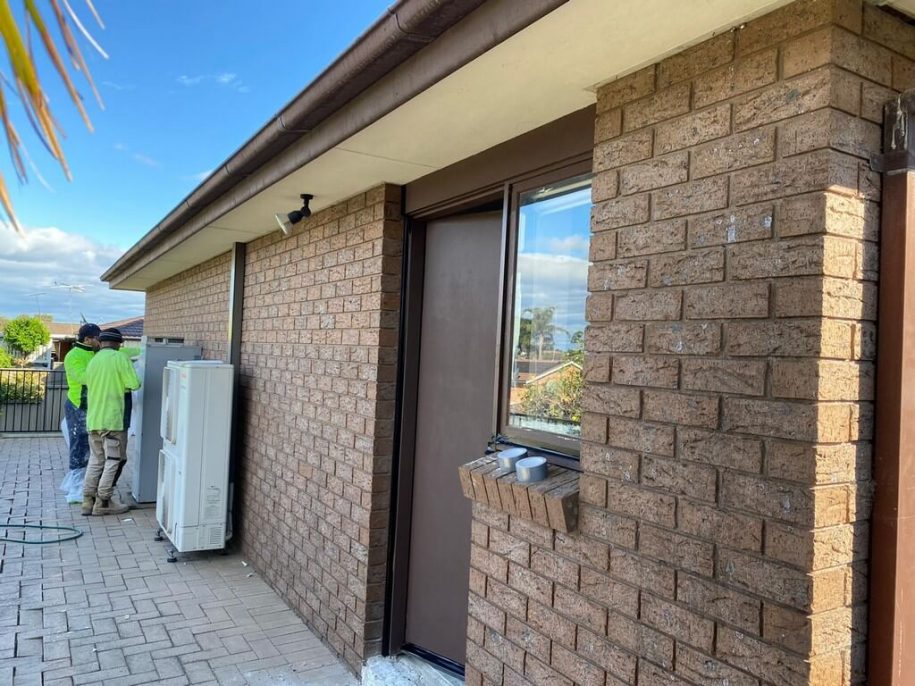
Sydney doesn’t do subtle weather. One week you’re baking through a westerly heatwave, the next you’re copping three days of sideways rain off the coast, and your poor exterior walls are stuck absorbing all of it. If you’ve ever noticed a damp patch creeping across your lounge room wall, a musty smell that won’t shift, or render that’s started bubbling like bad wallpaper, you’re looking at the long-term effects of moisture doing exactly what moisture does best — finding the weakest point and settling in for good.
Here’s the bit most homeowners don’t realise until it’s too late: brick and cement, on their own, are porous. They soak up water like a bit of a sponge. Paint alone won’t stop that. What actually protects a wall is a properly specified render system, applied by people who understand how Sydney’s climate behaves against different substrates — sandstone, brick veneer, fibro, block. Get it right and you’ve got a wall that sheds water, breathes where it needs to, and looks sharp for decades. Get it wrong and you’ve basically sealed moisture inside the wall cavity, which causes more damage than doing nothing at all.
At Sydney Tuckpointing & Rendering, this is the conversation we have with homeowners almost every week — usually after they’ve already tried a DIY patch job or a “quick paint over” that lasted about eighteen months. So let’s get into what’s actually going on with moisture and masonry, and how the right rendering approach fixes it properly rather than just hiding it for a season.
Why Sydney Homes Cop It Worse Than Most
Coastal salt air, humidity swinging between the eastern suburbs and the western sandstone belt, sudden downpours after long dry spells — it’s a genuinely tough environment for exterior masonry. Add older housing stock (a lot of Sydney’s character homes are pushing 60, 80, even 100+ years) and you’ve got a recipe for compromised mortar joints, hairline render cracks, and walls that were never waterproofed to begin with because “waterproofing” wasn’t really part of the building vocabulary back then.
Common warning signs we get called out for:
- Damp or dark staining low on external walls, especially after rain
- Render that’s cracking, flaking, or sounds hollow when you tap it
- Efflorescence — that white, chalky salt residue bleeding through brick or render
- Paint peeling or bubbling on exterior surfaces
- A musty smell inside near external walls
- Mortar joints that are crumbling or missing altogether
If any of that sounds familiar, the wall is telling you moisture has already found a way in. Left alone, it doesn’t stay cosmetic — it moves into structural territory, timber rot, and internal plaster damage that cost a lot more to fix than the wall ever would have.
Where Moisture Actually Gets In (It’s Rarely Where You’d Guess)
People assume water damage means a leaking roof or a burst pipe. Often, it’s far more boring than that — and far more preventable. The usual entry points we find on inspection:
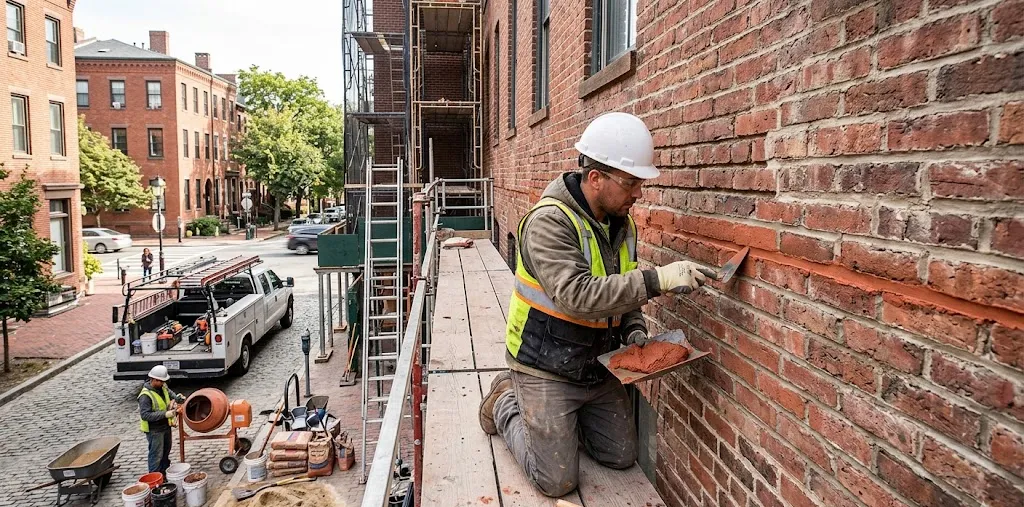
Failed or missing mortar joints. Old lime or cement mortar erodes over time, opening tiny gaps between bricks that act like a hundred little funnels. This is exactly what our tuckpointing and repointing service is built to fix — cutting out the degraded mortar and repacking the joints so water has nowhere to sneak through.
Cracked or aged render. Once render cracks, it stops being a protective skin and starts being a moisture trap — water gets in but can’t easily get back out, which is worse than having no render at all.
Bare or under-protected brickwork. Unrendered or unsealed brick is naturally porous. In exposed, weather-facing walls (west and south-facing walls cop the worst of Sydney’s storms), that porosity becomes a real liability over time.
Old, failed coatings. Paint that’s peeling or bubbling isn’t just an eyesore — it’s usually a sign moisture is already trapped underneath, pushing the coating off the surface from the inside.
Structural cracking in the substrate. Sometimes it’s not the render or mortar at all — it’s movement in the brickwork or masonry itself, which is where proper masonry restoration and renovation needs to happen before any render goes anywhere near the wall.
The point is, chasing the symptom (that damp patch on the internal wall) without diagnosing the actual entry point is how homeowners end up repainting the same wall every two years and wondering why nothing sticks.
The Rendering Systems That Actually Keep Water Out
Not all render is created equal, and honestly, a lot of what gets sold as a “quick fix” is closer to a Band-Aid. Here’s what we actually recommend, depending on the wall and the exposure it’s copping.
Acrylic Cement Rendering
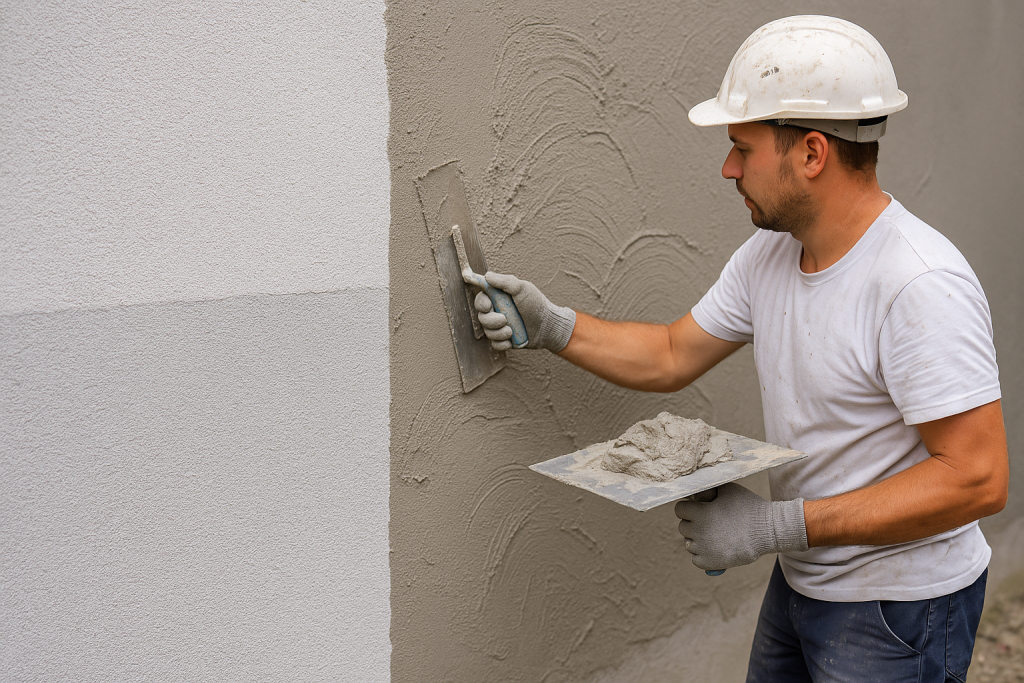
This is the workhorse solution for most Sydney homes, and for good reason. Acrylic cement rendering blends flexibility with genuine water resistance — it moves slightly with the building instead of cracking under thermal expansion, which is the single biggest cause of render failure in the first place. A rigid, old-school sand-and-cement render on a home that expands and contracts through Sydney’s temperature swings is basically guaranteed to crack eventually. Acrylic render flexes with it.
Rockcote Colour Render
If you want the protective benefits of render without the ongoing cost of repainting every few years, a pigmented finish through Rockcote colour rendering mixes the colour straight into the render itself. The tone doesn’t sit on top waiting to peel or fade in the sun — it’s baked into the material, which means better long-term weather resistance and a lot less maintenance headache.
Texture Coating
Beyond the aesthetic upgrade, texture coating adds an extra protective layer that improves a wall’s ability to shed water rather than absorb it, while also hiding minor surface imperfections that would otherwise show through a smooth finish. It’s a popular pick for homeowners renovating older brick facades that have a bit of history in them (read: a few dings and unevenness that a flat render would only highlight).
Blueboard and Foam Cladding
For homes needing a full exterior upgrade rather than a patch-and-render job, blueboard and foam cladding systems provide a genuinely different level of moisture and thermal protection — particularly useful on extensions, fibro replacements, or walls that need insulation as well as weatherproofing.
Sandstone-Look Finishes
Want the heritage look of sandstone without the maintenance nightmare that comes with actual sandstone (which, let’s be honest, was never designed for Sydney’s modern pollution and rainfall patterns)? Our sandstone imitation finishes give you that classic textured, warm-toned facade with far better water resistance than the real deal, and none of the erosion issues that plague genuine sandstone homes across the North Shore and Eastern Suburbs.
Pool Surface Rendering
Moisture protection isn’t just about the exterior of the house. Pool shells cop constant water exposure and chemical wear, and a compromised render there leads to leaks, staining, and structural erosion under the surface. Our swimming pool rendering service uses waterproof-rated render systems built specifically to handle permanent submersion — not just splashback.
Call us on 0452 522 232 for a free quote, or explore more masonry guides and tips on our blog.
Your walls have been patient long enough. Let’s give them the help they deserve.
What About the Brickwork Underneath?
Sometimes rendering isn’t even the first job — it’s what happens before it. If the underlying brickwork is stained, painted over from a previous owner’s questionable decorating choices, or damaged, that needs sorting first.
Our brickwork and mortar repair service deals with the structural side — cracked bricks, deteriorated mortar, and general wear that compromise the wall’s ability to hold moisture out on its own. And if you’re restoring exposed brick rather than covering it with render, paint removal from brickwork is often the first step — old paint traps moisture against the brick face in exactly the way you don’t want, so stripping it back to bare, breathable brick is usually part of a proper moisture-management plan, not just a cosmetic choice.
Getting the Prep Right (Because This Is Where Most Jobs Go Wrong)
Here’s an inconvenient truth from someone who’s crawled around a lot of Sydney rooftops and facades: the render is rarely the problem. The prep is. A beautiful render job applied over a damp, unsealed, or poorly cleaned wall is basically setting a timer on the next round of cracking and peeling.
Proper prep involves:
- Assessing and resolving any existing moisture source before rendering starts (there’s no point sealing water inside)
- Cleaning the surface thoroughly to remove salt, grime, and old flaking coatings
- Checking and repairing any structural cracks in the substrate
- Confirming compatibility between the existing wall material and the new render system
- Planning around Sydney’s weather — render needs the right curing conditions, and rushing it in the middle of a wet week is asking for trouble
This is exactly why a proper trade outfit walks the property first rather than quoting off a photo. Every wall’s story is different — orientation, age, previous coatings, and exposure all change the approach.
DIY Render Patch vs. Getting It Done Properly
We get it — there’s a Bunnings aisle full of render-in-a-bag and it looks simple enough on YouTube. And for a tiny cosmetic touch-up, sure, have a crack. But for anything genuinely about moisture protection, a mismatched patch job usually just creates a new weak point right next to the old one, because DIY renders rarely bond, cure, or flex the same way as a properly matched system. We’ve lost count of the callouts where a “quick patch” from a few years back is now the exact spot water’s getting back in.
FAQs
How do I know if my wall needs rendering or just repointing? If the mortar joints between bricks are crumbling, missing, or visibly eroded but the bricks themselves are sound, that’s usually a repointing job. If the wall’s already got failing render, wide cracking across the surface, or you want a full weatherproof finish over exposed brick, that’s a rendering job — sometimes both are needed together, which is common on older homes where the mortar’s degraded and there’s no protective coating at all.
Will rendering trap moisture that’s already inside my walls? Only if it’s applied without fixing the underlying moisture source first, which is exactly why proper diagnosis matters before any render goes on. Breathable render systems, applied correctly over a dry, prepped substrate, are designed to let residual moisture escape while blocking new water ingress — it’s not just about sealing everything shut.
How long does a good exterior render actually last in Sydney conditions? A well-applied, properly prepped render system with a quality finish (acrylic or Rockcote-based) generally holds up for 15 to 20+ years before it needs recoating, though coastal or heavily sun-exposed walls can wear a bit faster. Cheap or rushed jobs, by contrast, often start showing cracks within a couple of years — which is the whole “you get what you pay for” thing in action.
Can render fix a wall that’s already got mould or damp staining inside? Rendering the exterior addresses the entry point, which stops the problem from getting worse, but it won’t retroactively remove mould or staining that’s already developed on internal surfaces — that’s a separate internal remediation job. Think of exterior rendering as closing the tap, not mopping up what’s already spilled.
Is coloured render more expensive to maintain than painted render? Generally the opposite — because the pigment is mixed through the render itself rather than sitting as a surface coat, coloured render doesn’t need repainting every few years the way a painted wall does, which usually makes it cheaper over the property’s lifetime even though the upfront application can cost a touch more.
What’s the difference between acrylic render and traditional cement render for waterproofing? Traditional cement render is more rigid and prone to cracking as the building naturally expands and contracts, and once it cracks, it stops doing its job as a moisture barrier. Acrylic render has more flex built in, which means fewer cracks over time and better ongoing water resistance — it’s why most modern Sydney rendering jobs lean acrylic over old-school cement-only mixes.
Ready to Stop Moisture Before It Starts?
If your walls are showing any of the warning signs above — or you just want a proper opinion before winter rain season rolls around again — get in touch with the Sydney Tuckpointing & Rendering team. We’ll walk the property, diagnose what’s actually going on (not just what’s visible), and recommend a render system that’s right for your wall, your budget, and Sydney’s genuinely unpredictable weather.
Have a browse through our blog for more on masonry care and rendering across Sydney, or head straight to our contact page to book an inspection. Your walls have been putting up with a lot — time to give them something that actually fights back.