
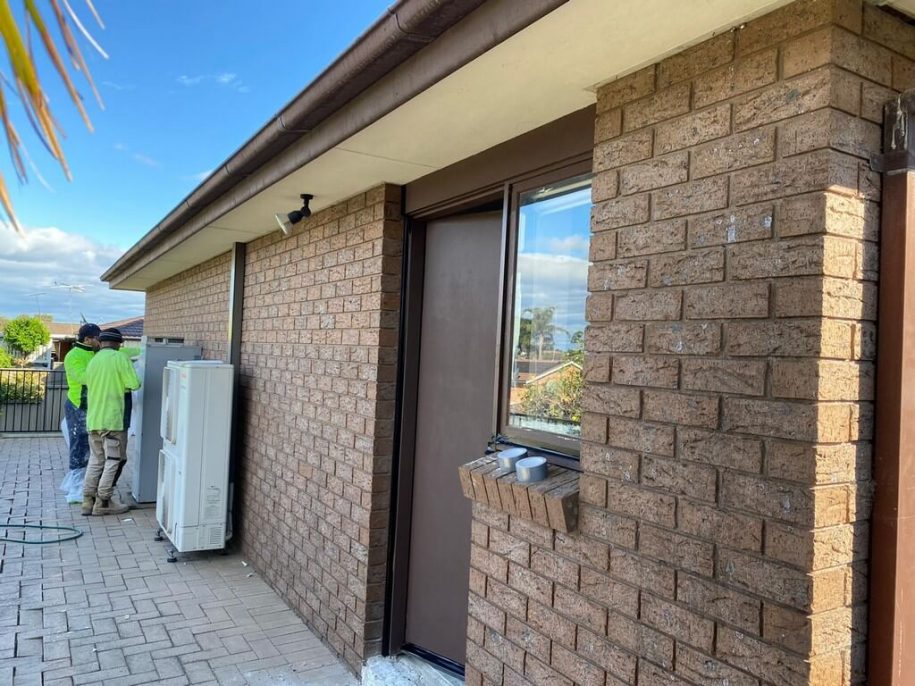
Walk down any street from Balmain to Bankstown and you’ll see it: crumbly mortar joints, render that’s peeling off like a bad sunburn, and sandstone that’s gone the colour of a wet tea bag. Sydney’s housing stock is gorgeous, but it’s also old, salty, and sitting through some of the harshest sun-to-storm weather swings in the country. Brick and masonry don’t just “wear in” gracefully here — they wear out, and usually right when you’ve got people coming over for a barbecue.
The good news is that most of what looks like a demolition job is actually a repair job, provided someone gets to it before the damage goes structural. That’s the whole reason Sydney Tuckpointing & Rendering exists — to sort out mortar, render, sandstone, cladding and pool surrounds across the Sydney metro without the eye-watering quote or the six-week wait. This isn’t a “trust us, we’re professionals” sales pitch. It’s a genuine walkthrough of what these jobs actually involve, what they should cost, and how to pick a tradie who won’t leave your façade looking like a patchwork quilt.
Grab a cuppa. This one’s long, because your house deserves more than a 300-word skim read.
Tuckpointing and Repointing: The Difference Nobody Explains Properly
Let’s clear up the confusion first, because half of Sydney uses “tuckpointing” and “repointing” like they’re the same thing, and they’re not.
Repointing is the practical fix — raking out old, crumbling mortar and packing the joints with fresh mortar so the wall stops leaking and stays structurally sound. Tuckpointing is the decorative cousin: a fine contrasting ribbon of putty is set into the mortar joint to create the illusion of perfectly uniform, hand-cut brickwork. Heritage terraces in the Inner West and Eastern Suburbs are full of it, and when it’s done properly it’s genuinely beautiful.
Here’s the catch: a lot of “tuckpointing” jobs advertised around Sydney are actually just basic repointing with a fancy name slapped on the invoice. If your quote doesn’t mention lime mortar for older properties, colour-matched putty, or a discussion about your specific brick type, you’re probably not getting real tuckpointing. Our team walks you through exactly what your wall needs — full detail is on the tuckpointing and repointing service page — before a single tool touches your brickwork.
Rough Sydney pricing: basic repointing runs cheaper per square metre than proper decorative tuckpointing, and heritage lime-mortar work costs more again. Anyone quoting a flat “per house” price without inspecting your walls first is guessing.
Masonry Restoration: Bringing Sandstone and Brick Back From the Dead
Sydney sandstone has a personality problem. It looks stunning when it’s new, then over a few decades of rain, pollution and salt attack it starts spalling, cracking and generally sulking. Federation homes, war memorials, and half the CBD’s older buildings are built from the stuff, which means masonry restoration is a genuine specialty, not a side hustle for a general renderer.
Proper restoration means assessing whether the stone or brick is structurally sound, cleaning without blasting away the surface (aggressive sandblasting is a classic rookie mistake that ages a building by fifty years overnight), and matching replacement mortar or stone dressing so the repair doesn’t stick out like a dodgy patch job. If you’re dealing with a heritage-listed property, there are also council heritage overlays to navigate — get that wrong and you’re looking at fines, not just an ugly wall.
We cover the full process, including how we handle heritage approvals, on the masonry restoration and renovation page. It’s worth a read even if you’re just trying to work out whether your place needs restoration at all or just a good clean.
Brickwork and Mortar Repairs: The Unsexy Job That Saves You Thousands
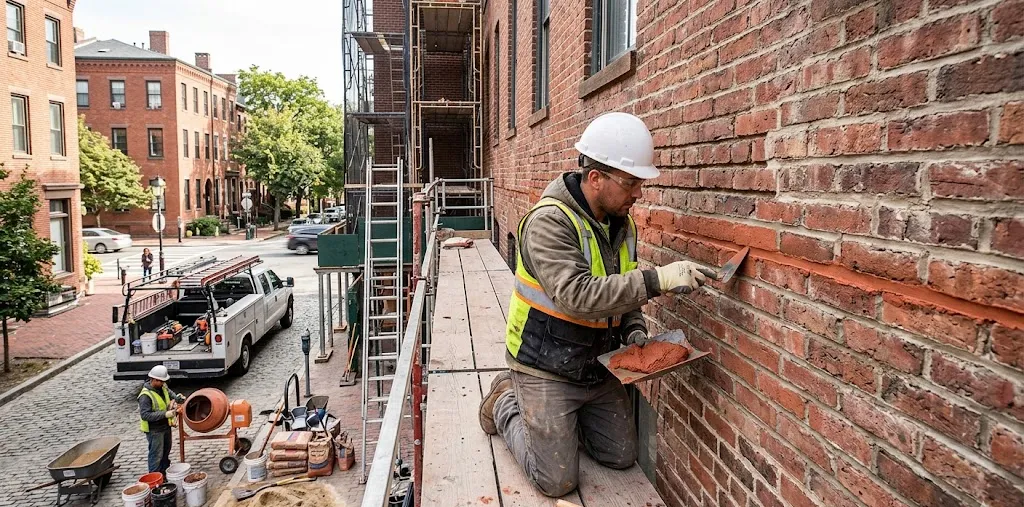
Nobody gets excited about mortar repairs. There’s no glossy after-photo of “we filled a crack.” But ignoring hairline cracks and gaps in mortar is how a $400 job turns into a $14,000 structural repair. Water gets in, freezes and expands (yes, even in Sydney), salts crystallise, and suddenly your wall is bowing.
Common culprits we see across Sydney jobs:
- Rising damp from failed or missing damp-proof courses
- Efflorescence (that white, salty bloom) signalling moisture movement through the brick
- Cracked lintels above windows and doors from movement or corrosion
- Spalling bricks where the face has literally popped off
A proper inspection catches these early. Details on how we assess and repair brickwork and mortar are on the brickwork and mortar repairs page, including the warning signs you can spot yourself before calling anyone out.
Getting Paint off Bricks without Wrecking Them
Somewhere in the 1980s, half of Sydney decided painting exposed brick was a brilliant idea. Fast forward forty years and everyone’s trying to undo it, because that paint is now peeling, trapping moisture, and hiding gorgeous original brickwork underneath.
The problem is that removing paint from masonry is not a weekend DIY job with a wire brush and enthusiasm. Get it wrong and you’ll strip the fired face off the brick, leaving it porous, ugly, and permanently thirsty for moisture. Professional paint removal uses controlled chemical stripping or low-pressure specialist techniques matched to the brick’s age and type — not a pressure washer set to “demolish.”
If your place has painted brick you’re dying to restore, the brick paint removal page runs through which methods suit which brick types, and why the cheapest quote (usually meaning “aggressive sandblasting”) often costs you the most in the long run.
Sandstone Coating: The Budget-Friendly Way to Fake It (In a Good Way)
Real sandstone is stunning. Real sandstone is also, depending on the supplier and the job size, seriously expensive — which is exactly why sandstone-look coatings have become the go-to for Sydney homeowners chasing that heritage aesthetic without a heritage-sized budget.
A quality sandstone coating gives you the warm, textured look of natural stone over standard brick or block, at a fraction of the cost and installation time of quarried sandstone cladding. It’s popular on fence walls, entry features, and renovation façades where the goal is “looks like it’s always been there” rather than “look how much we spent.”
We run through colour options, texture finishes, and where sandstone coating makes sense (and where it doesn’t) on the sandstone imitation page.
Acrylic Cement Rendering: Sydney’s Favourite Facelift
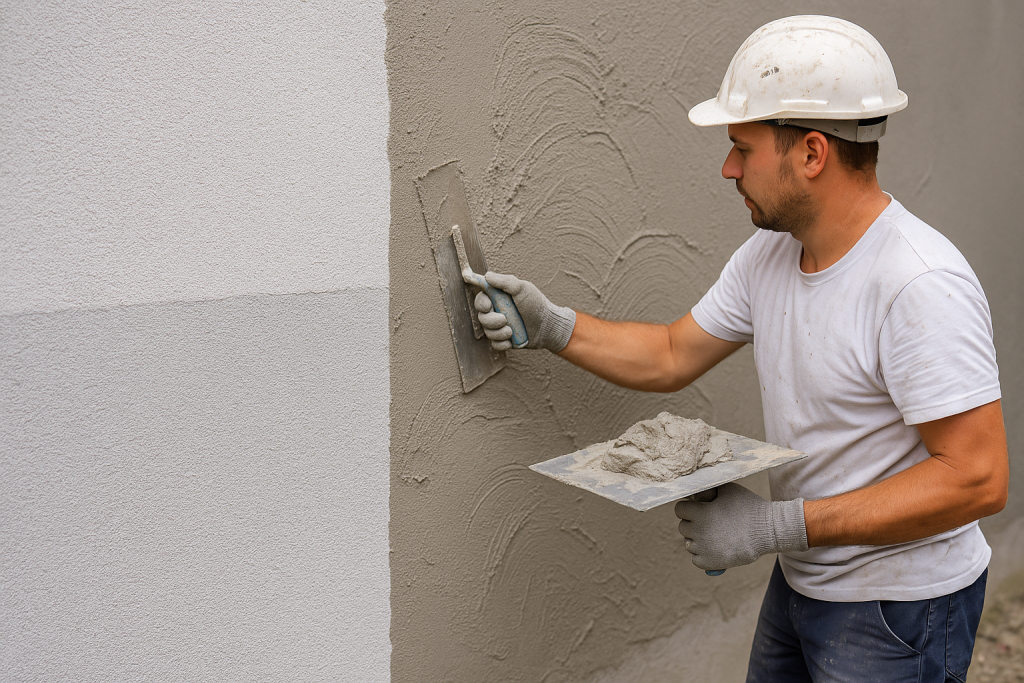
Cement rendering in Sydney is having a permanent moment, and honestly, it makes sense. A tired, dated brick veneer home can look like a completely different property after acrylic rendering — smooth, contemporary, and considerably easier to keep clean than bare brick.
Acrylic render specifically has become the preferred option over traditional cement-only render because it’s flexible (so it resists the hairline cracking that plagues rigid renders as the building moves slightly with temperature) and it holds colour better over time. It’s also more forgiving to apply over different substrates, which matters if your home is a patchwork of brick, block and fibre cement additions like most Sydney renovations end up being.
Full breakdown of the process, prep work, and finish options is on the acrylic cement rendering page.
Rockcote Colour Render: Because Beige Render Is a Crime against Architecture
If you’ve been down the render rabbit hole at all, you’ve heard the name Rockcote thrown around like it’s a secret handshake. Rockcote is a premium Australian-made coloured render system, and the appeal is straightforward: the colour is mixed right through the render, not just painted on top, so fading; chipping and touch-up mismatches become a non-issue.
It’s also formulated specifically to cope with Australian conditions, which matters when your north-facing wall is getting cooked all summer and your south wall never quite dries out. Rockcote comes in a genuinely wide colour and texture range, which is why it’s become the pick for renovators who want something that looks considered rather than “whatever tin was on special.”
We’re set up as approved installers for the system, and you can see the colour and finish range on the Rockcote colour render page.
Call us on 0452 522 232 for a free quote, or explore more masonry guides and tips on our blog.
Your walls have been patient long enough. Let’s give them the help they deserve.
Texture Coating: Adding Depth without Adding a Fortune to the Bill
Texture coating in Sydney gets overlooked because people assume “texture” just means “bumpy,” but a good texture finish does a lot of heavy lifting. It hides minor surface imperfections that a flat, smooth render would broadcast to the whole street, it adds genuine visual depth (especially under low afternoon light, which Sydney has in spades), and it’s more forgiving during future maintenance because small touch-ups blend in far more easily than they do on a dead-flat surface.
From fine sand textures to bolder, coarser finishes, there’s a texture profile for pretty much every architectural style, from a 1930s Californian bungalow to a boxy new-build duplex. The texture coating page has example finishes so you’re not just guessing from a tiny paint-chip sample.
Modern Cladding Solutions: Blueboard and Foam Done Properly
Not every wall in Sydney needs to be brick or rendered masonry, and modern cladding solutions using blueboard and foam systems have become a genuinely smart option for extensions, granny flats, and full renovations where speed and thermal performance matter as much as looks.
Blueboard cladding gives you a solid, render-ready substrate that’s lighter and faster to install than traditional masonry, while foam cladding systems add insulation value that solid brick just can’t match — a real bonus given how Sydney summers have been tracking lately. Both finish beautifully once rendered and both are considerably kinder to your build timeline than waiting on a bricklayer’s schedule.
If you’re renovating or extending and weighing up cladding options, the blueboard and foam cladding page breaks down which system suits which application.
Pool Rendering: Because Nobody Wants a Swim in a Cracked, Algae-Streaked Shell
Pool renovation rendering is its own beast entirely, because unlike a wall, your pool render is dealing with constant water submersion, pool chemicals, and UV exposure all at once. A render that would happily last decades on an external wall can fail in a fraction of that time around a pool if it’s the wrong product or poorly applied.
Swimming pool rendering needs the right chemical-resistant render system, correct surface prep (old, flaking render has to go, not just get skimmed over), and a finish that won’t turn rough and grippy on bare feet or, worse, start growing algae in the texture within a year. Whether you’re rendering a brand-new pool shell or bringing a tired, ageing pool back to life, it’s worth getting a specialist rather than whoever rendered your garage last month.
Details on finishes, colours and the resurfacing process are on the swimming pool rendering page.
So, What Does “Affordable” Actually Mean Here?
Let’s be straight about this: “affordable tuckpointing Sydney” doesn’t mean the lowest number on a quote sheet. It means fair pricing for the actual scope of work, without the shortcuts that turn a five-year fix into a five-month fix. The cheapest quote in Sydney is almost always cheap because something’s being skipped — proper mortar mix, adequate curing time, correct substrate prep, or basic scaffolding safety.
A genuinely affordable job comes from getting the scope right the first time: an honest inspection, a written quote that spells out materials and process, and a tradie who explains why your specific wall, pool, or heritage façade needs what it needs. That’s the difference between paying once and paying three times.
Why Sydney Homeowners Keep Coming Back to Us
We’re not the biggest outfit in Sydney, and we’re not trying to be. What we are is a team that treats a 1920s sandstone cottage in Haberfield differently to a 2019 rendered duplex in Kellyville, because they genuinely are different jobs with different failure points. We turn up, we inspect properly, we tell you what actually needs doing (and just as importantly, what doesn’t), and we quote accordingly.
If you want more detail on specific finishes, product comparisons, or seasonal maintenance tips, our blog has a growing library worth a browse. And if you’ve read this far and you’re ready to actually get someone out to look at your walls, pool, or that sandstone fence that’s seen better days, our contact page is the fastest way to get a real human on the phone.
Frequently Asked Questions
Is tuckpointing worth it on a standard Sydney home, or just heritage properties? Both, honestly. Heritage properties need it for authenticity and council compliance, but plenty of modern homes use tuckpointing purely for the crisp, high-end look it gives standard brickwork.
How long does render actually last in Sydney’s climate? A quality acrylic or Rockcote render, properly applied over a well-prepped substrate, typically holds up for well over a decade before it needs recoating — though coastal salt exposure can shorten that timeline.
Can you remove paint from brick without damaging the surface? Yes, provided the method matches the brick — this is exactly why aggressive sandblasting is a bad idea and controlled stripping methods are worth the extra care.
Is sandstone coating as durable as real sandstone? It won’t match quarried stone’s multi-generational lifespan, but a properly applied sandstone coating system is built to handle Sydney’s weather for many years with minimal maintenance.
Do I need council approval for rendering or tuckpointing my house? Usually not for standard homes, but heritage-listed properties and some strata buildings do require approval — worth checking before work starts, not after.
What’s the biggest mistake homeowners make with pool render? Choosing a standard wall-render product instead of a pool-specific, chemical-resistant system. It might look fine for a season, and then fail fast.
Whatever’s going on with your brickwork, render or pool surrounds, the fix is almost always simpler (and cheaper) than the worst-case scenario in your head. Get it looked at properly, and get it done once.