
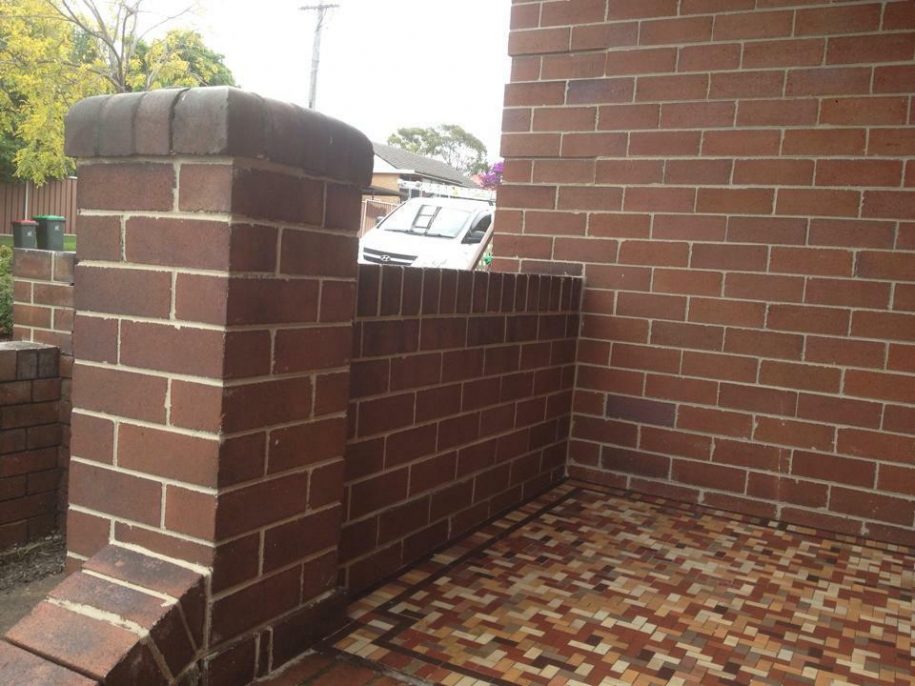
Looking Beyond the Cracks: Understanding Brick and Render Problems
If your house could talk, it wouldn’t be subtle about it. It’d be yelling. Every crumbling mortar joint, every hairline crack snaking across the render, every patch of brick paint peeling like a bad sunburn — that’s your home’s way of tapping you on the shoulder and saying “oi, sort me out.”
Most Sydneysiders ignore it. We’re busy. We’ve got a mortgage, two kids, a dog that eats shoes, and a Bunnings run to make. So the bricks keep talking, quietly, for years — right up until a chunk of mortar the size of a 50-cent coin lands on the patio and someone finally asks, “hang on, when did that happen?”
Here at Sydney Tuckpointing & Rendering, we’ve spent years listening to exactly this kind of talkback from homes across the North Shore, the Eastern Suburbs, the Inner West and everywhere in between. So consider this your translation guide — what your brickwork is really saying, what’s actually wrong, and what we do about it (without the jargon, and with a proper cuppa’s worth of straight talk).
Why Sydney Homes Cop It Worse Than Most
Sydney’s climate is basically a brick’s worst nightmare on rotation. We get baking UV in summer, driving rain in autumn, salty coastal air if you’re anywhere near the water, and enough humidity to make mortar swell, shrink, and eventually give up entirely. Federation homes in Mosman and Willoughby, 1970s brick veneer in the west, apartment blocks in the east — none of it is immune.
Add in a few decades of “she’ll be right” maintenance (translation: none), and you end up with:
- Mortar joints that have turned to sand you can scrape out with a fingernail
- Render that’s blistering, bubbling or dropping off in dinner-plate-sized chunks
- Old paint on bricks that’s flaking and trapping moisture underneath
- Sandstone features that have weathered into something closer to rubble
- Pools with render so tired it looks like it’s been through a war
Sound familiar? Good — that’s exactly what we fix, and it’s exactly why we exist.
Tuckpointing and Repointing — Not the Same Thing (and Why It Matters)
Here’s a pub-quiz fact that trips up half of Sydney: tuckpointing and repointing are not the same job, even though tradies use the words interchangeably. Repointing is simply raking out old, failed mortar and replacing it. Tuckpointing is a decorative finishing technique, often used on Federation and heritage homes, where a fine contrasting line — usually white or black — is worked into fresh mortar to create the illusion of perfectly uniform brickwork.
Get the wrong one and you’ll either overpay for a decorative finish you didn’t need, or underdeliver on a heritage home that deserves the real thing. Our team walks you through exactly which approach suits your property before quoting, which you can read more about on our tuckpointing and repointing service page. Done properly, it doesn’t just look sharp — it stops water tracking behind the brick skin, which is the single biggest cause of long-term structural damage in older Sydney homes.
Masonry Restoration — Bringing Old Bones Back to Life
Some homes need more than a mortar touch-up. Sandstone lintels crumbling, heritage brick facades with structural movement, chimney stacks that lean a little more than they used to — this is where full masonry restoration and renovation comes in. It’s slower, more considered work, often involving heritage-matched materials and techniques that respect the original build rather than papering over it.
We’ve worked on plenty of properties where the brief was essentially “make it look like nothing ever happened” — which, frankly, is the highest compliment a masonry job can get. If your place is showing genuine structural wear rather than just cosmetic tiredness, our masonry restoration and renovation team is worth talking to early, before small movement becomes an expensive one.
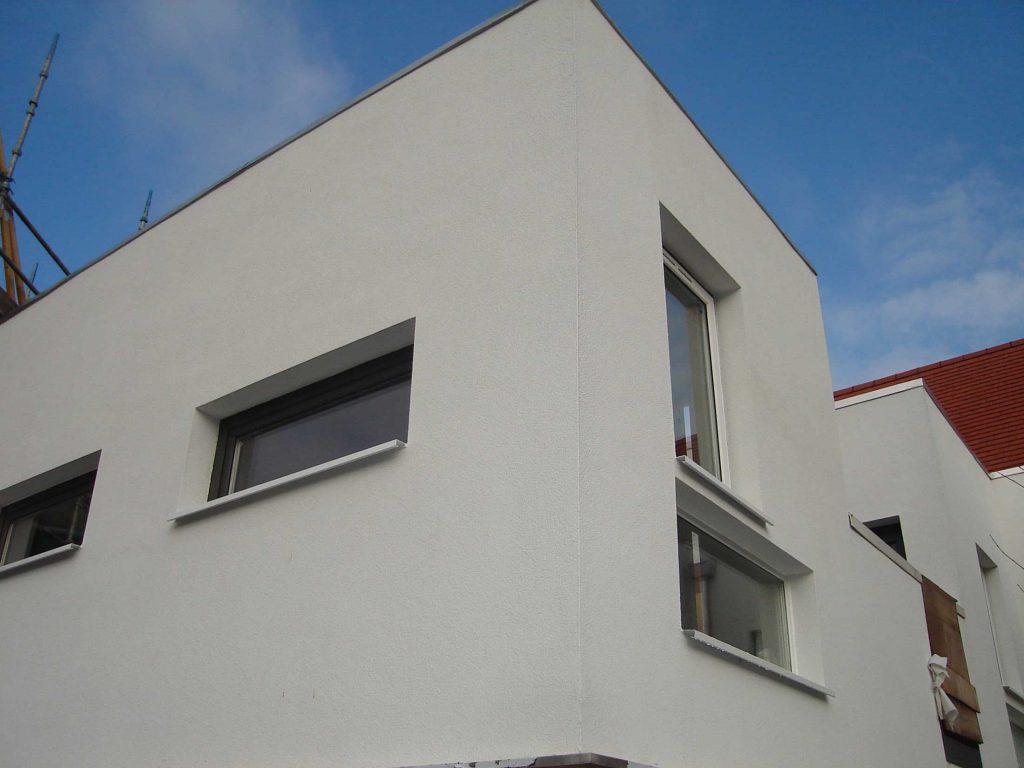
Brickwork and Mortar Repairs — The Unsung Hero of Home Maintenance
Not every job needs a full restoration. Sometimes it’s a handful of loose bricks near a downpipe, a cracked lintel above a window, or mortar that’s failed in one particular corner that cops the worst of the weather. This is bread-and-butter stuff for our brickwork and mortar repair specialists — targeted, honest work that patches the problem without you paying for a job you don’t need.
The trick with mortar repairs isn’t just slapping in new mix — it’s matching the colour, texture and strength of the original mortar so the patch doesn’t stick out like a sore thumb (or worse, create a hard spot that cracks the surrounding brick under thermal movement). It’s a skill, not a shortcut.
Got Paint on Your Bricks? Here’s the Bad News (and the Good News)
Someone, at some point in Sydney’s renovation history, decided painting exposed brick was a great idea. It wasn’t. Painted brick traps moisture, hides deterioration, and ages badly — that once-trendy white brick exterior tends to end up looking more “abandoned service station” than “Scandi minimalist” within a decade.
The good news is that our professional brick paint removal service can undo the damage without destroying the brick underneath, which is the real risk of DIY sandblasting or the wrong chemical stripper. We use methods matched to the brick type and paint age so you get your original brickwork back — not a pockmarked, patchy mess. Worth doing properly, once, rather than fighting it yourself on a weekend with a wire brush and regret.
Sandstone Imitations — All the Look, None of the Quarry Bill
Real sandstone is gorgeous. It’s also heavy, expensive, and increasingly hard to source and match if you’re doing a partial repair. That’s where our sandstone imitation work earns its keep — a rendered, textured, hand-finished treatment that replicates the warmth and grain of genuine sandstone at a fraction of the cost, and without waiting months for quarried stone to turn up.
It’s especially popular for garden walls, entry features, and heritage-style homes where full sandstone simply isn’t in the budget but the look absolutely is. Done well, most people genuinely can’t pick the difference from the footpath.
Acrylic Rendering vs Cement Rendering — Which One Actually Suits Your House?
This is the question we get asked more than almost any other, so let’s settle it properly.
Cement render is the traditional option — sand, cement and lime, applied in coats and left to cure (properly, over weeks, not days). It’s cost-effective, suits heritage brick and masonry homes, and gives that classic slightly organic texture that a lot of Federation and post-war homes were built to show off.
Acrylic rendering is the newer, more flexible cousin. Because it incorporates polymer resins, it moves with the building rather than fighting it, which makes it far more crack-resistant — a genuine advantage across Sydney’s shifting clay soils and temperature swings. It also comes premixed with integrated colour, cures in days rather than weeks, and handles a wider range of substrates, including over existing surfaces.
Neither is objectively “better” — it depends on your home’s age, substrate, budget and how much movement the building’s likely to experience. Our acrylic and cement rendering team will generally walk the site with you and tell you straight which system suits your walls, rather than upselling whatever’s easiest for us to apply that week.
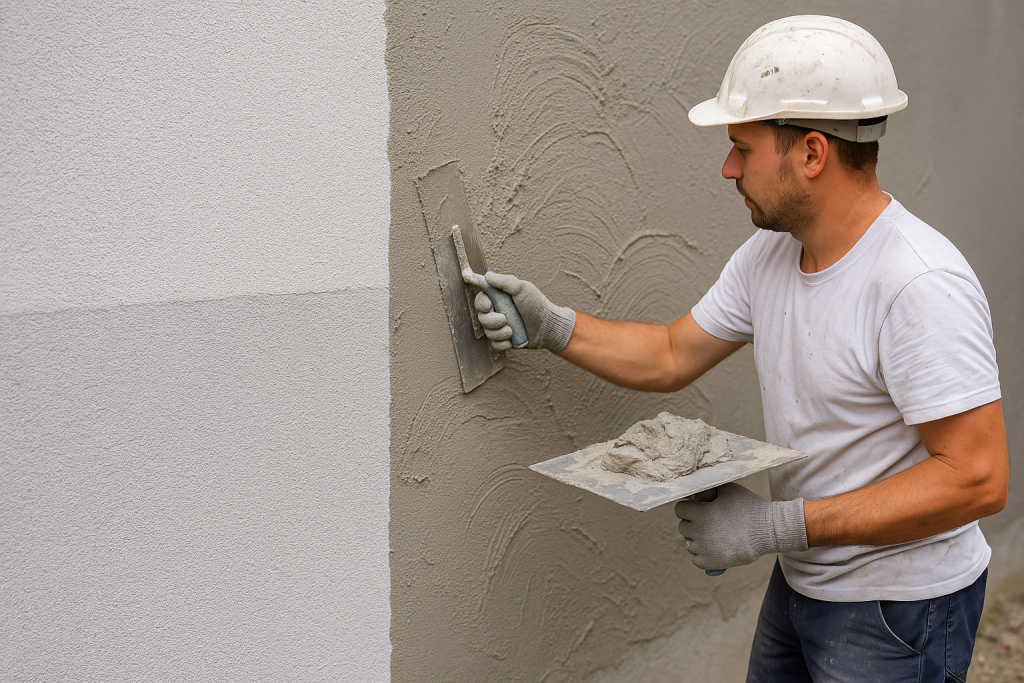
Rockcote and Colour — Because Grey Render Is a Missed Opportunity
If you’ve settled on render but haven’t locked in a finish, Rockcote systems are worth a proper look. They give you a huge range of textures and integrated colours, so you’re not stuck repainting every five years to keep the exterior looking fresh. It’s a popular choice for renovators wanting a genuinely contemporary street presence without the render looking flat or builder-grade. Our Rockcote and colour rendering service covers everything from subtle tonal finishes through to bolder, statement colourways.
Texture Coating — Hiding Imperfections Like a Pro
Not every wall is render-perfect underneath, and that’s fine — that’s precisely what texture coating is for. Applying a specialised textured finish over the surface doesn’t just look good, it actively disguises minor surface imperfections, hairline cracking and uneven patching that would otherwise show through a flat, smooth finish. It’s a favourite for renovations where the existing wall has “history” you’d rather not advertise to the street.
Blueboard and Foam Cladding — The Smart Way to Add a Second Storey
Thinking about adding a level, or cladding an extension without blowing the budget on structural beams and endless scaffolding? Our blueboard and foam cladding systems are a genuine game-changer here. They’re lightweight, fast to install, and dramatically reduce the structural load compared to traditional masonry — which means less engineering, less scaffolding time, and often a faster build overall. It’s increasingly the go-to for double-storey additions across Sydney where speed and weight savings actually matter to the bottom line.
Pool Rendering — Because Nobody Wants a Sad, Flaky Pool
A tired, algae-streaked, flaking pool shell doesn’t just look rough — it’s usually a sign the render’s lost its waterproofing integrity, which is a much bigger (and pricier) problem waiting to happen. Our swimming pool rendering specialists bring the right waterproof-rated products, correct curing around constant water exposure, and finish that resist chlorine, algae and UV without chalking or discolouring within a season. Get it right and your pool goes from “we don’t invite people over in summer” to genuinely the best part of the backyard again.
Our Process (Because “We’ll Sort It” Isn’t a Plan)
Every job — big or small — follows the same rough shape:
- We inspect, properly. Not a drive-by. We look at the actual problem, not just the symptom.
- We give you a straight quote. No vague ranges, no mystery add-ons halfway through.
- We match materials and finishes to your home’s age, substrate and existing style — colour-matched mortar, appropriate renders systems, the lot.
- We do the work properly, with the right curing times and prep, because rushing render or mortar is exactly how you end up back here again in two years.
- We clean up and hand it back looking like the problem never existed.
Why Bother Getting It Fixed at All? (The Bit Where We Get a Bit Serious)
Look, we like a laugh, but this part’s genuinely worth taking seriously. Deteriorating mortar and failing render aren’t just cosmetic issues — they’re the entry point for water into your home’s structure. Water behind brickwork leads to timber rot, rising damp, mould, and — eventually — genuine structural repair bills that dwarf what a timely tuckpointing or render job would’ve cost. Getting on top of it early isn’t vanity maintenance; it’s the cheapest insurance policy your home’s got.
There’s also the resale angle, obviously — kerb appeal sells houses, and nothing undersells a beautiful Sydney home faster than tired, flaking brickwork out front. But even if you’re not selling anytime soon, a home that’s properly maintained is simply a nicer, drier, more solid place to live in.
Call us on 0452 522 232 for a free quote, or explore more masonry guides and tips on our blog.
Your walls have been patient long enough. Let’s give them the help they deserve.
Frequently Asked Questions
How much does tuckpointing cost in Sydney? It varies with wall access, mortar condition and whether it’s tuckpointing (decorative) or straight repointing, but most Sydney jobs are priced per square metre once we’ve inspected the site and scoped the actual damage.
How long does render take to cure? Cement render typically needs several weeks to cure fully before painting, while acrylic render systems can often be painted within days. We’ll factor this into your project timeline upfront.
Can you remove paint from brick without damaging it? Yes — with the right method matched to your brick type and paint age. It’s exactly the kind of job we don’t recommend DIY-ing, because the wrong technique can permanently scar the brick face.
Do I need council approval for rendering or tuckpointing? Generally, like-for-like repairs and rendering don’t require approval, but heritage-listed properties and some strata buildings have specific rules. We can flag this during your inspection.
Is acrylic render better than cement render? Better is the wrong question — it’s about what suits your home. Acrylic suits movement-prone and modern builds; cement suits heritage brickwork and tighter budgets. We’ll tell you which one actually fits your place.
Ready to Stop Ignoring the Bricks?
Whatever your home’s been trying to tell you — a chimney that’s seen better days, render that’s had enough, or a pool that needs saving before summer — it’s a lot cheaper to listen now than to wait for the “50-cent coin on the patio” moment. Have a browse of our other project write-ups and guides for more real-world examples, or just skip straight to the good part and get in touch with the team for a free, no-nonsense quote. Your bricks will thank you. Probably not out loud, but you get the idea.